
The future of remote work and hybrid teams is all about greater flexibility, driven by technology and shifting employee expectations. You’ll see more organizations adopting asynchronous tools, which allow teams to collaborate across different time zones and work at their own pace. This creates a more inclusive, efficient, and balanced work environment. As companies continue to evolve, staying updated on these changes will help you adapt and thrive in this new landscape.
Key Takeaways
- Remote and hybrid teams will increasingly rely on asynchronous communication tools to enhance collaboration across different time zones.
- Organizations will prioritize flexible work schedules and digital infrastructure to support diverse work environments and improve work-life balance.
- Technology advancements will enable seamless collaboration regardless of physical location, fostering more inclusive and adaptable workplaces.
- Companies will focus on results-oriented cultures, emphasizing trust and performance over physical presence or traditional office hours.
- The future of work will center on creating sustainable, flexible, and technology-driven work environments that empower employees globally.
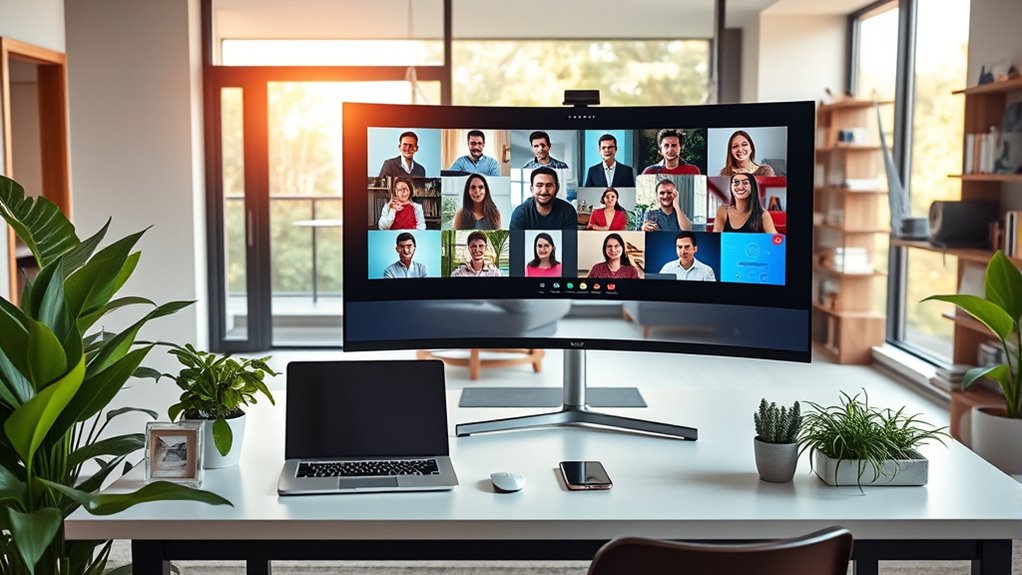
The future of remote work and hybrid teams is shaping how organizations operate and how employees collaborate. As technology continues to evolve, more people are embracing flexible work arrangements, and digital nomads are leading the charge. These individuals leverage the freedom of remote work to travel the world while staying productive. Their lifestyle pushes companies to rethink traditional office hours and location constraints. To support this new way of working, organizations are increasingly adopting asynchronous communication tools, which allow team members to collaborate effectively across different time zones. Instead of relying solely on real-time meetings, teams now share updates, feedback, and ideas through project management platforms, recorded videos, and detailed messages. This approach not only accommodates digital nomads but also boosts overall productivity by reducing the interruptions of constant meetings.
Asynchronous tools enable remote teams to collaborate across time zones, boosting productivity and flexibility for digital nomads and hybrid workers alike.
You’ll find that as remote work becomes more prevalent, the importance of asynchronous communication grows. It enables you to work at your own pace, review information when it’s most convenient, and contribute thoughtfully without the pressure of immediate responses. This flexibility benefits everyone, especially those juggling multiple roles or managing different schedules. Organizations that understand this shift are investing in tools that facilitate clear, organized, and accessible communication. You’ll notice a move away from traditional email overload toward streamlined platforms like Slack, Teams, or Asana, which help keep conversations contextual and easy to follow. This shift also encourages a culture of trust, where your ability to deliver results matters more than clocking in hours at a physical location.
The rise of digital nomads also influences how companies view work-life balance. You might have the freedom to work from a beach in Bali or a cozy café in Paris, as long as your tasks are completed on time. This lifestyle demands robust digital infrastructure and reliable internet, making organizations invest more in cybersecurity and cloud-based solutions. As you navigate this environment, you’ll find that successful remote teams prioritize clear communication protocols and flexible schedules to keep everyone aligned. They understand that asynchronous communication isn’t just a convenience—it’s a necessity for maintaining cohesion and productivity across diverse locations and time zones. Recognizing the importance of essential tools like secure cloud services and reliable internet connections is vital in supporting these remote configurations.
Ultimately, embracing asynchronous communication and supporting digital nomads will be central to the future of remote work and hybrid teams. It’s about creating a work environment that’s adaptable, inclusive, and efficient. As you participate in this evolving landscape, you’ll experience greater autonomy, better work-life integration, and the ability to collaborate seamlessly, regardless of where you are in the world. This future isn’t just a trend; it’s a fundamental shift in how we work, driven by technology and a desire for more flexible, meaningful work experiences.
Frequently Asked Questions
How Will Remote Work Impact Employee Mental Health Long-Term?
Remote work can positively impact your mental health by offering flexibility and reducing stress, but it also poses risks to your employee well-being if boundaries aren’t clear. To build mental resilience, you should prioritize regular breaks, stay connected with colleagues, and set boundaries between work and personal life. Long-term, maintaining these habits helps you adapt better, stay balanced, and protect your mental health in a remote environment.
What Are the Best Tools for Managing Hybrid Team Productivity?
Like a well-conducted orchestra, managing hybrid team productivity requires harmony. You should use digital collaboration tools like Slack or Microsoft Teams to streamline communication, and implement time tracking software such as Toggl or Harvest to monitor work hours. These tools help you stay organized, guarantee accountability, and foster teamwork. By leveraging them effectively, you create an environment where remote and in-office staff work seamlessly together toward shared goals.
How Can Companies Ensure Equitable Opportunities for All Employees?
You can guarantee equitable opportunities for all employees by promoting diversity and inclusion in hiring, training, and leadership. Implement transparent policies that support career advancement for everyone, regardless of location or background. Regularly assess your team’s development programs and provide mentorship opportunities to underrepresented groups. By fostering an inclusive environment, you help every employee access growth opportunities, ultimately strengthening your company’s success and creating a fair, motivating workplace.
What Legal Considerations Arise With Remote and Hybrid Work Arrangements?
You need to be mindful of legal considerations like data privacy and contractual obligations when managing remote or hybrid work. Protect employee information by implementing secure systems, and clearly outline expectations and responsibilities in your contracts. Staying compliant with local laws and regulations helps avoid legal pitfalls. Regularly review your policies to adapt to evolving legal standards, ensuring both your team and your business stay protected and confident.
How Will Remote Work Influence Company Culture Over Time?
Remote work will reshape your company culture by emphasizing flexibility, trust, and inclusivity. You’ll need to invest in virtual onboarding to help new hires feel connected, even from afar. Office redesigns will prioritize collaborative spaces to foster in-person interactions when employees return. Over time, you’ll see a more adaptable culture that balances remote independence with meaningful in-office experiences, strengthening team bonds and aligning values across the organization.
Conclusion
As you navigate the evolving landscape of remote and hybrid work, remember that flexibility is your strongest compass. Embrace the change like a surfer riding a wave, adapting to each swell with confidence. By fostering strong communication and trusting your team’s autonomy, you’ll steer toward success in this new work world. The future is a horizon filled with endless possibilities—ready for you to explore with an open mind and a proactive spirit.