
The best smart home hubs balance device compatibility, dependable automation, and ease of setup; my best overall pick is Home Assistant Green for its flexible platform and broad control options. Homey Pro (2026) stands out for its wide range of built-in wireless radios, while Hubitat Elevation C-8 Pro suits buyers who want detailed, locally run automations. The main tradeoff is between broad compatibility and hands-on setup, versus a simpler hub that works best within one ecosystem. Screen-based options can make everyday control easier, but a display is not a substitute for checking device support. Read on for the full breakdown and guidance on matching a hub to your home.

Get the latest gadgets delivered free with Prime
- Fast, free delivery on millions of items
- Prime Video, Amazon Music and more included
- Member-only deals all year
Complete the kit



Key Takeaways
- Home Assistant Green leads for flexibility, while its appeal depends on being willing to configure and maintain a more hands-on system.
- Homey Pro (2026) and Hubitat C-8 Pro serve different advanced users: Homey brings an unusually broad set of radios together, while Hubitat emphasizes detailed automation control.
- Smart displays are a different kind of hub choice: Echo Hub and Echo Show 15 put visible controls front and center, while dedicated hubs focus more on device connections and automation.
- Specialist hubs can beat general-purpose ones for a narrow job: Lutron Caséta is aimed at lighting, and YoLink focuses on its own long-range sensor ecosystem.
- Protocol lists do not guarantee a device will work; support can depend on the hub model, firmware, device features, and the ecosystem you plan to use.
| Home Assistant Green Smart Home Hub |  | Best for Local Control and Customization | Operating system: Home Assistant OS | Processor: Quad-core | RAM: 4 GB LPDDR4X | VIEW LATEST PRICE | See Our Full Breakdown |
| SwitchBot Hub 3 Smart Home Hub with IPS Screen and Dial Control |  | Best for Hands-On Control and IR Appliances | Model: W7202100 | Display: 2.4-inch IPS screen | Controls: Rotary dial and four customizable scene buttons | VIEW LATEST PRICE | See Our Full Breakdown |
| Hubitat Elevation C-8 Pro Smart Home Hub |  | Best for Advanced Local Automations | Model: C-8 Pro | Protocols: Matter 1.5, Z-Wave 800 Series with Long Range, Zigbee 3.0, Bluetooth | Voice assistant compatibility: Amazon Alexa, Google Home, Apple HomeKit | VIEW LATEST PRICE | See Our Full Breakdown |
| SwitchBot Hub 2 Smart Home Hub with Thermometer, Hygrometer, IR Remote, and Light Sensor |  | Best for Environmental Triggers | Connectivity: Wi-Fi (2.4 GHz), Bluetooth | Maximum supported devices: 6 | Maximum range: 10 meters | VIEW LATEST PRICE | See Our Full Breakdown |
| YoLink Smart Home Hub (YS1603) |  | Best for Long-Range YoLink Devices | Model: YS1603 | Protocol: YoLink LoRa | Connectivity: Wi-Fi or Ethernet | VIEW LATEST PRICE | See Our Full Breakdown |
| Homey Pro (2026) Smart Home Hub with Z-Wave Plus, Zigbee, Wi-Fi, BLE, Infrared, Matter and Thread |  | Best for Broad Protocol Coverage | Protocols: Wi-Fi, Zigbee, Z-Wave Plus, BLE, infrared, Matter, Thread | Compatible devices: Listed as over 50,000 devices from over 1,000 brands | Control: App and voice | VIEW LATEST PRICE | See Our Full Breakdown |
| Aeotec Smart Home Hub 2 (V4) with Matter and Zigbee |  | Best for SmartThings Households | Model: V4 – Smart Home Hub 2 (2025) | Model number: GP-AEOHUBV4US | Connectivity: Wi-Fi, Ethernet | VIEW LATEST PRICE | See Our Full Breakdown |
| Amazon Echo Hub 8-Inch Smart Home Control Panel |  | Best Smart Home Control Panel | Display: 8-inch touchscreen, 1280 × 800 resolution | Connectivity: Wi-Fi, Bluetooth, Zigbee, Matter, Thread, Sidewalk | Audio: Stereo playback with two full-range speakers | VIEW LATEST PRICE | See Our Full Breakdown |
| Aqara Smart Hub M200 Matter Controller with Zigbee, Wi-Fi, IR, and PoE |  | Best for Aqara and Infrared Devices | Model: HM-G03E | Dimensions: 3.93 x 3.93 x 1.21 inches | Weight: 4.6 ounces | VIEW LATEST PRICE | See Our Full Breakdown |
| SONOFF Bridge-M Smart Home Hub |  | Best for Local Matter Bridging | Supported protocols: Zigbee, BTHome, eWeLink, Matter bridging | Smart home integrations: Alexa, Google Home, Apple Home | Home Assistant support: MQTT | VIEW LATEST PRICE | See Our Full Breakdown |
| Aqara Smart Hub M2 with 360° IR Control |  | Best for Aqara Homes on a Budget | Model: HM2-G01 | Supported devices: Up to 128 compatible Aqara Zigbee devices | Wireless requirement: 2.4 GHz Wi-Fi | VIEW LATEST PRICE | See Our Full Breakdown |
| Homey Pro mini Smart Home Hub with Zigbee, Ethernet, Matter, and Thread |  | Best for Local-First Automation | Model: HOMEY-PRO-MINI-US-01 | Built-in connectivity: Zigbee, Matter, Thread, Ethernet | Voice assistant compatibility: Siri, Alexa, Google Assistant | VIEW LATEST PRICE | See Our Full Breakdown |
| Aqara Smart Home Hub M3 Matter Controller with IR Blaster |  | Best Premium Aqara Hub | Model: HM-G01E | Protocols: Zigbee, Thread, Matter, Bluetooth, Wi-Fi | Device capacity: Up to 127 Aqara Zigbee devices and 127 Thread devices; Thread repeaters are needed | VIEW LATEST PRICE | See Our Full Breakdown |
| Lutron Caséta Smart Hub, Compatible with Alexa, Apple HomeKit, Google Assistant, and More | 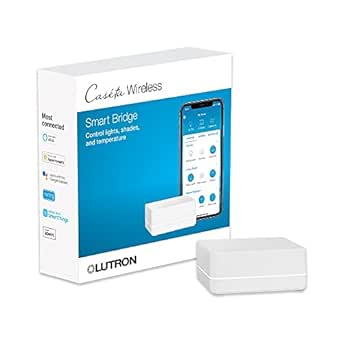 | Best for Caséta Lighting Systems | Model: L-BDG2-WH | Maximum supported devices: 75 Caséta devices | Connectivity: Clear Connect technology; connects to router | VIEW LATEST PRICE | See Our Full Breakdown |
| Amazon Echo Show 15 (2nd Gen) 15.6-Inch Full HD Smart Display with Fire TV and Alexa |  | Best Smart Hub with a Family Display | Display: 15.6-inch Full HD, 1920 x 1080 | Smart-home connectivity: Zigbee, Matter, Thread Border Router | Wi-Fi: Wi-Fi 6E; supports 802.11a/b/g/n/ac | VIEW LATEST PRICE | See Our Full Breakdown |
| smart home hub | Model | Connectivity |
|---|---|---|
| Home Assistant Green Smart Hom | — | Ethernet, USB, Bluetooth |
| SwitchBot Hub 3 Smart Home Hub | W7202100 | 2.4 GHz Wi-Fi, Bluetooth, infrared, Matter bridge |
| Hubitat Elevation C-8 Pro Smar | C-8 Pro | — |
| SwitchBot Hub 2 Smart Home Hub | — | Wi-Fi (2.4 GHz), Bluetooth |
| YoLink Smart Home Hub | YS1603 | Wi-Fi or Ethernet |
| Homey Pro | — | — |
| Aeotec Smart Home Hub 2 | V4 – Smart Home Hub 2 (2025) | Wi-Fi, Ethernet |
| Amazon Echo Hub 8-Inch Smart H | — | Wi-Fi, Bluetooth, Zigbee, Matter, Thread, Sidewalk |
| Aqara Smart Hub M200 Matter Co | HM-G03E | Zigbee, Thread, Bluetooth, dual-band Wi-Fi (2.4/5 GHz), PoE, IR |
| SONOFF Bridge-M Smart Home Hub | — | — |
| Aqara Smart Hub M2 with 360° I | HM2-G01 | — |
| Homey Pro mini Smart Home Hub | HOMEY-PRO-MINI-US-01 | — |
| Aqara Smart Home Hub M3 Matter | HM-G01E | — |
| Lutron Caséta Smart Hub | L-BDG2-WH | Clear Connect technology; connects to router |
| Amazon Echo Show 15 | — | — |
More Details on Our Top Picks
Home Assistant Green Smart Home Hub
Home Assistant Green is the strongest fit here for buyers who want a flexible, locally run smart home rather than a hub centered on a particular brand of device. It arrives with Home Assistant OS preinstalled, and its fanless design keeps it quiet while storing home data locally. Compared with the Hubitat Elevation C-8 Pro, Green offers an approachable starting point for the Home Assistant ecosystem, while Hubitat includes several wireless protocols and dedicated antennas in the hub itself. Green’s main tradeoff is that it starts with Ethernet and Bluetooth: adding Z-Wave, Zigbee, or Thread requires separate USB hardware. Choose it if you value local control and room to build out your setup; skip it if you want a wireless hub with those radios ready to go.
Pros:- Home Assistant OS is preinstalled, giving buyers a ready base for custom automations
- Local data storage supports a setup less dependent on cloud services
- Compact, fanless construction runs silently
- USB ports allow expansion for Z-Wave, Zigbee, or Thread
Cons:- Ethernet is required to get started
- Z-Wave, Zigbee, and Thread require separately purchased USB devices
Best for: Homeowners who want local data storage, Home Assistant automations, and the option to add wireless protocols as their device collection grows
Not ideal for: Buyers who need built-in Zigbee, Z-Wave, or Thread, or who cannot connect the hub to Ethernet
- Operating system:Home Assistant OS
- Processor:Quad-core
- RAM:4 GB LPDDR4X
- Storage:32 GB
- Connectivity:Ethernet, USB, Bluetooth
- USB ports:2
- Dimensions:4.41 x 4.41 x 1.26 inches
Our verdict“Choose Home Assistant Green if local control and customization matter more than having every wireless protocol built into the hub.”
SwitchBot Hub 3 Smart Home Hub with IPS Screen and Dial Control
The SwitchBot Hub 3 suits a home where people want a glanceable status display and physical controls, not just another app. Its 2.4-inch screen, rotary dial, and four scene buttons put home information and selected actions within reach, while infrared control can bring compatible appliances into the same system as SwitchBot and supported Matter devices. The SwitchBot Hub 2 also combines sensing with IR control, but Hub 3 adds a more direct control surface for changing scenes and checking conditions. That convenience comes with boundaries: it needs 2.4 GHz Wi-Fi, does not support RF devices, and some functions depend on separately sold SwitchBot products. It makes more sense than Home Assistant Green for buyers who favor visible, simple controls over a customizable automation platform.
Pros:- Screen presents temperature, humidity, weather, and other home information at a glance
- Rotary dial and four customizable buttons provide direct control without opening an app
- Infrared control brings compatible appliances into smart home routines
- Supports Matter integration and automation scenes
Cons:- Requires a 2.4 GHz Wi-Fi network
- Does not control RF devices such as some ceiling fans and garage door openers
- Some features require separately sold SwitchBot devices
Best for: Households that want a shared physical control point for compatible IR appliances, SwitchBot devices, and selected Matter devices
Not ideal for: Buyers with RF-controlled fans or garage door openers, or anyone seeking a hub that works without 2.4 GHz Wi-Fi
- Model:W7202100
- Display:2.4-inch IPS screen
- Controls:Rotary dial and four customizable scene buttons
- Connectivity:2.4 GHz Wi-Fi, Bluetooth, infrared, Matter bridge
- Compatible platforms:Alexa, Google Home, Apple Home, SwitchBot devices, compatible infrared appliances
- Temperature sensor accuracy:±0.2°C
- Dimensions:3.7 x 1.5 x 4.96 inches
- Weight:1.1 pounds
Our verdict“Pick the Hub 3 if you want a screen and tactile controls for compatible devices, and can live with its Wi-Fi and RF limits.”
Hubitat Elevation C-8 Pro Smart Home Hub
Hubitat Elevation C-8 Pro is the most capable choice in this group for buyers who want a broad set of built-in radios and automation logic that runs locally. It supports Matter, Z-Wave, Zigbee, and Bluetooth, so many households can connect devices without adding USB radios as they would with Home Assistant Green. Its external antennas are designed to extend wireless reach, and local processing means automations can continue when internet access is unavailable. Compared with the YoLink Smart Home Hub, Hubitat covers more protocols and is aimed at coordinating a varied device mix, rather than focusing on YoLink’s long-range LoRa devices. The tradeoff is a steeper setup and learning curve for advanced rules. I would choose it for hands-on automation building, not for a simple plug-and-play control experience.
Pros:- Local processing keeps automations running without internet access
- Built-in support for Matter, Z-Wave, Zigbee, and Bluetooth
- Works with Alexa, Google Home, Apple HomeKit, and Ring cameras
- External antennas help extend wireless range, with no subscription required
Cons:- Advanced automation features can take time to learn and configure
- The breadth of protocols may be unnecessary for buyers with a small, single-platform setup
Best for: Smart home enthusiasts with mixed-protocol devices who want local automations, broad compatibility, and no subscription requirement
Not ideal for: Beginners who want a minimal setup or buyers whose devices are mainly YoLink LoRa products
- Model:C-8 Pro
- Protocols:Matter 1.5, Z-Wave 800 Series with Long Range, Zigbee 3.0, Bluetooth
- Voice assistant compatibility:Amazon Alexa, Google Home, Apple HomeKit
- Device compatibility:1,000+ devices across 100+ brands
- Antennas:2 dedicated external antennas
- Subscription:Not required
- Dimensions:2.95 x 3.23 x 0.67 inches
- Weight:2.56 ounces
Our verdict“Choose the C-8 Pro if you want local, multi-protocol automation and are prepared to spend time configuring it.”
SwitchBot Hub 2 Smart Home Hub with Thermometer, Hygrometer, IR Remote, and Light Sensor
The SwitchBot Hub 2 is a practical pick for automations tied to conditions in a room, such as temperature, humidity, or light. It combines those readings with infrared remote control, so compatible appliances can respond to sensor changes instead of relying only on app commands. Like the Hub 3, it can connect SwitchBot devices and supported Matter accessories, but Hub 3 adds a screen, dial, and customizable scene buttons. Hub 2 is the simpler fit if you want environmental monitoring without that more prominent physical control surface. Its limits are worth keeping in view: Wi-Fi is 2.4 GHz only, and Matter support applies to certain SwitchBot devices rather than every smart home product. Choose it for sensor-led routines, not as a universal multi-protocol hub like the Hubitat Elevation C-8 Pro.
Pros:- Combines temperature, humidity, and light sensing with infrared appliance control
- Sensor readings can trigger smart home automations
- Supports Alexa, Google Home, and Apple Home via Matter for compatible devices
- Runs without batteries
Cons:- Wi-Fi support is limited to 2.4 GHz
- Matter support is specified for certain SwitchBot devices
- Maximum supported device count is six
Best for: SwitchBot households that want to trigger compatible appliance routines from temperature, humidity, or light readings
Not ideal for: Buyers who need broad Matter device support, RF control, or built-in Zigbee and Z-Wave radios
- Connectivity:Wi-Fi (2.4 GHz), Bluetooth
- Maximum supported devices:6
- Maximum range:10 meters
- Temperature accuracy:±0.36°F
- Humidity accuracy:±1.8% RH
- Compatible assistants:Amazon Alexa, Google Assistant, Siri Shortcuts, SmartThings
- Additional features:Light sensor, IR remote control, Matter support
- Weight:36 g
Our verdict“Choose the Hub 2 if environmental readings and IR control matter more than a screen or broad protocol coverage.”
YoLink Smart Home Hub (YS1603)
YoLink Smart Home Hub YS1603 is the specialist choice here: its LoRa protocol and stated range of up to 2,034 feet suit buyers who need to connect compatible devices across a large property or outbuilding. It can connect by Wi-Fi or Ethernet and works with IFTTT and Home Assistant, offering a route to link YoLink devices with broader routines. That focus sets it apart from the Hubitat Elevation C-8 Pro, which supports several common smart home protocols but is not presented as a long-range LoRa hub. The tradeoff is that YS1603 is not a general-purpose multi-protocol controller: compatibility centers on YoLink devices, and it has no battery backup. Choose it to build around YoLink’s long-range ecosystem, not to unify an assortment of Zigbee, Z-Wave, and Matter gear.
Pros:- YoLink LoRa offers a stated maximum range of up to 2,034 feet
- Can connect through Wi-Fi or Ethernet
- Works with IFTTT and Home Assistant
- Designed as a central point for app control of compatible YoLink devices
Cons:- Focused on YoLink LoRa rather than a broad mix of smart home protocols
- Battery backup is not included
Best for: Owners of large properties who plan to use YoLink LoRa devices and want app control or links to IFTTT and Home Assistant
Not ideal for: Buyers seeking a general-purpose hub for Zigbee, Z-Wave, or Matter devices, or a hub that stays powered during outages
- Model:YS1603
- Protocol:YoLink LoRa
- Connectivity:Wi-Fi or Ethernet
- Maximum stated range:2,034 feet
- Compatible services:IFTTT and Home Assistant
- Voltage:5 volts
- Dimensions:4.33 x 4.33 x 1.06 inches
- Battery backup:Not included
Our verdict“Choose the YS1603 when long-range YoLink coverage is the priority, but look elsewhere for a multi-protocol hub.”
Homey Pro (2026) Smart Home Hub with Z-Wave Plus, Zigbee, Wi-Fi, BLE, Infrared, Matter and Thread
I’d choose the Homey Pro when a home has devices from many brands and protocols, especially a mix of newer Matter and Thread products with Z-Wave, Zigbee, or infrared gear. Its unusually wide radio support reduces the need to build around one manufacturer, while local processing can limit reliance on cloud services. The app also combines automation and energy tracking, giving it a broader role than a simple bridge.
Compared with the Aeotec Smart Home Hub 2, Homey Pro supports Z-Wave and more built-in radio types, but the Aeotec is a more focused SmartThings option with Ethernet. Homey’s wide compatibility claims still need checking against the specific devices you own, and the supplied dimensions are incomplete. I’d skip it if your setup is already tightly centered on SmartThings or you need clearly documented physical dimensions.
Pros:- Supports Wi-Fi, Zigbee, Z-Wave Plus, BLE, infrared, Matter, and Thread
- Local processing can reduce dependence on cloud services
- Combines device control, automation, and energy tracking in the Homey app
- Voice control works with Siri, Alexa, and Google Home
Cons:- Compatibility may vary by device despite broad brand and device claims
- Listed dimensions are incomplete
- A broad feature set may be more than a single-ecosystem household needs
Best for: Households combining devices from multiple brands and protocols that want local automation, energy tracking, and app-based control in one hub.
Not ideal for: SmartThings-first buyers who want a straightforward hub with Ethernet, or anyone who needs complete, verified dimensions before choosing a mounting location.
- Protocols:Wi-Fi, Zigbee, Z-Wave Plus, BLE, infrared, Matter, Thread
- Compatible devices:Listed as over 50,000 devices from over 1,000 brands
- Control:App and voice
- Voice assistants:Siri, Amazon Alexa, Google Home
- Processing:Local processing supported
- Features:Automation and energy tracking
- Mounting:Wall mount
- Color:Black/Grey
- Dimensions:Listed as 4.9 x 4.9 x (incomplete)
Our verdict“Pick Homey Pro if your priority is bringing a varied, multi-protocol device collection under one locally capable hub.”
Aeotec Smart Home Hub 2 (V4) with Matter and Zigbee
The Aeotec Smart Home Hub 2 makes the most sense for buyers who want Matter and Zigbee devices managed through the SmartThings app, with local automations available for many routines. That local capability can keep supported automations running through a temporary internet interruption, while Wi-Fi and Ethernet offer a choice between flexible placement and a wired connection.
Against the Homey Pro, Aeotec is narrower: it does not support Z-Wave and its feature set depends on the SmartThings ecosystem. That makes it a better fit for a deliberately focused SmartThings setup than for a home mixing older Z-Wave gear with several other protocols. It also supports Alexa and Google Assistant, but buyers should check individual device compatibility rather than assume every Matter or Zigbee product will work as expected.
Pros:- Connects supported Matter and Zigbee devices through SmartThings
- Local automations can continue during temporary internet outages
- Offers both Wi-Fi and Ethernet connectivity
- Compatible with Amazon Alexa and Google Assistant
Cons:- Does not support Z-Wave
- Depends on compatible devices and the SmartThings ecosystem
- Narrower protocol coverage than Homey Pro
Best for: SmartThings users building around Matter and Zigbee devices who want local routines and the option of Ethernet.
Not ideal for: Homes with Z-Wave devices or buyers seeking a broad, ecosystem-independent hub with many built-in radio protocols.
- Model:V4 – Smart Home Hub 2 (2025)
- Model number:GP-AEOHUBV4US
- Connectivity:Wi-Fi, Ethernet
- Supported protocols:Matter, Zigbee, SmartThings
- Voice assistants:Amazon Alexa, Google Assistant
- Local automations:Supported
- Z-Wave:Not supported
- Color:White
Our verdict“Choose Aeotec if you already use SmartThings and do not need Z-Wave support.”
Amazon Echo Hub 8-Inch Smart Home Control Panel
The Amazon Echo Hub is the clearest pick here for people who want a visible, touch-operated control point rather than a hub that lives unnoticed beside a router. Its 8-inch touchscreen brings compatible devices, cameras, security controls, media, and routines into a wall-mounted dashboard. Built-in Zigbee, Matter, Thread, and other connectivity options also let it serve as more than a display in an Alexa-centered home.
Compared with the Homey Pro, the Echo Hub gives up Homey’s emphasis on broad app-based, local multi-protocol automation in favor of at-a-glance touchscreen control. The included wall mount and power adapter help with installation, but a tabletop stand is separate, setup requires internet, and some Alexa+ and Ring functions depend on compatible services or subscriptions. It’s less appealing if you want a screen-free hub or plan to place it on a counter without buying extra hardware.
Pros:- 8-inch touchscreen provides a dedicated visual control point
- Built-in support for Wi-Fi, Bluetooth, Zigbee, Matter, Thread, and Sidewalk
- Can manage compatible devices, routines, media, and security systems
- Wall mount and power adapter are included
Cons:- Tabletop stand and cable-hiding accessories are sold separately
- Internet connection is required for setup
- Some Alexa+ and Ring functions require compatible services or subscriptions
Best for: Alexa households that want a wall-mounted touchscreen for controlling devices, viewing cameras, and launching routines.
Not ideal for: Buyers who want a screen-free hub, need a tabletop setup without extra accessories, or want all features to work without internet or service requirements.
- Display:8-inch touchscreen, 1280 × 800 resolution
- Connectivity:Wi-Fi, Bluetooth, Zigbee, Matter, Thread, Sidewalk
- Audio:Stereo playback with two full-range speakers
- Sensors:Passive infrared proximity sensor and ambient light sensor
- Power:12.5W adapter included; compatible USB-C PD accessories supported
- Power over Ethernet:Supported with compatible USB-C converter and PoE+ or PoE++
- Mounting:Wall mount included; tabletop stand sold separately
- Included accessories:Power adapter, 6 ft. cord, wall mount, anchors, screws, mounting template, quick start guide
Our verdict“Choose the Echo Hub if you want an Alexa-focused touchscreen panel more than a discreet, screen-free automation hub.”
Aqara Smart Hub M200 Matter Controller with Zigbee, Wi-Fi, IR, and PoE
The Aqara Hub M200 packs several useful jobs into a small hub: it acts as a Matter Controller, Thread Border Router, and Matter Bridge, while its 360° infrared blaster can bring compatible appliances such as air conditioners into a connected setup. Local automation for Zigbee and Matter devices is another advantage for buyers who want core routines to keep working without Wi-Fi or cloud access.
Compared with the SONOFF Bridge-M, the M200 can function as a Matter Controller, not just bridge compatible devices to Matter platforms. Its main limitation is its Aqara-centered Zigbee support: it does not support third-party Zigbee devices. Capacity is capped at 40 Aqara Zigbee and 40 Thread devices, USB-C power hardware is not included, and some features still rely on cloud access or the integration app. I’d choose it for compatible Aqara gear, not as a universal Zigbee hub.
Pros:- Combines Matter Controller, Thread Border Router, and Matter Bridge functions
- Local automation supports Zigbee and Matter devices
- 360° infrared blaster includes status feedback for compatible equipment
- Offers PoE and USB-C power options
Cons:- Does not support third-party Zigbee devices
- USB power adapter is not included
- Only one AC device can be exposed to Matter, and some features require cloud access or an integration app
Best for: Aqara users who want Matter and Thread functions, local automation, PoE options, and infrared control for compatible appliances.
Not ideal for: Buyers with third-party Zigbee devices or those seeking an unrestricted cross-brand Zigbee hub with every feature available offline.
- Model:HM-G03E
- Dimensions:3.93 x 3.93 x 1.21 inches
- Weight:4.6 ounces
- Connectivity:Zigbee, Thread, Bluetooth, dual-band Wi-Fi (2.4/5 GHz), PoE, IR
- Device capacity:Up to 40 Aqara Zigbee devices and 40 Thread devices
- Ports:USB-C, Ethernet with PoE support
- Compatibility:Apple HomeKit, Alexa, Google Home, SmartThings, Home Assistant
- Infrared:360° IR blaster with status feedback
Our verdict“Pick the M200 if your compatible devices are Aqara-focused and infrared control or PoE matters to your setup.”
SONOFF Bridge-M Smart Home Hub
The SONOFF Bridge-M is for buyers who want compatible Zigbee, BTHome, and eWeLink devices to show up in Matter platforms such as Alexa, Google Home, and Apple Home. Its local LAN console and MQTT support for Home Assistant give more technically minded users a route to manage integrations without depending entirely on a vendor cloud. A built-in 90 dB alarm also adds a direct alert option.
The key distinction from the Aqara Hub M200 is that SONOFF bridges supported devices to Matter but cannot act as a Matter Controller for adding Matter devices. That makes it a more limited choice if you’re building a system around Matter-native hardware. Third-party Zigbee compatibility can vary, so I’d verify the specific devices you plan to connect before buying. It is best treated as a bridge for supported gear, not a universal hub for every protocol.
Pros:- Bridges compatible devices to Alexa, Google Home, and Apple Home
- Local LAN console works without cloud services
- Supports Home Assistant integration through MQTT
- Built-in 90 dB alarm and mobile notifications support alerts
Cons:- Cannot add Matter devices directly as a Matter Controller
- Compatibility may vary across third-party Zigbee devices
- Its bridging role is narrower than the controller and border-router functions offered by the Aqara Hub M200
Best for: Home Assistant users and smart-home tinkerers who want to bridge compatible Zigbee, BTHome, or eWeLink devices to Matter platforms.
Not ideal for: Buyers who need a Matter Controller to add Matter devices directly or want broad, guaranteed compatibility with third-party Zigbee products.
- Supported protocols:Zigbee, BTHome, eWeLink, Matter bridging
- Smart home integrations:Alexa, Google Home, Apple Home
- Home Assistant support:MQTT
- Web interface:Local LAN console
- Built-in alarm:90 dB
- Matter Controller:Not supported
Our verdict“Choose SONOFF Bridge-M if you need local-friendly Matter bridging for compatible devices, not a hub for adding Matter products directly.”
Aqara Smart Hub M2 with 360° IR Control
The Aqara Hub M2 is a focused bridge for homes built around compatible Aqara Zigbee devices, with a useful extra: its 360° infrared control can operate supported TVs, fans, and air conditioners. That makes it more versatile than the Lutron Caséta Smart Hub, which concentrates on Caséta lighting, shades, and temperature products. M2 also offers Ethernet as an alternative to Wi-Fi and works with Apple HomeKit, Alexa, Google Assistant, and IFTTT.
The limits are tied to that Aqara focus: it does not support third-party Zigbee devices or Aqara Thread devices, and it requires 2.4 GHz Wi-Fi for wireless setup. Some functions also depend on compatible Aqara accessories and current firmware. I’d choose it for an Aqara-centered setup, not as a universal hub for mixed-brand devices.
Pros:- Controls compatible infrared appliances as well as Aqara Zigbee devices.
- Works with Apple HomeKit, Alexa, Google Assistant, and IFTTT.
- Ethernet connection offers a wired alternative to Wi-Fi.
- Built-in speaker can provide security alerts and configurable tones.
Cons:- Does not support third-party Zigbee devices or Aqara Thread devices.
- Wireless setup requires 2.4 GHz Wi-Fi.
- Some features depend on compatible Aqara accessories and updated firmware.
Best for: Aqara users who want one hub for compatible sensors and switches plus infrared control of household appliances.
Not ideal for: Buyers assembling a mixed-brand Zigbee network or adding Aqara Thread devices; this hub supports only compatible Aqara Zigbee products.
- Model:HM2-G01
- Supported devices:Up to 128 compatible Aqara Zigbee devices
- Wireless requirement:2.4 GHz Wi-Fi
- Wired connectivity:Ethernet RJ45
- Infrared control:360° IR; maximum range 10 meters
- Compatible platforms:Apple HomeKit, Alexa, Google Assistant, IFTTT
- Power and connector:5 V DC; Micro USB
- Dimensions and weight:3.94 x 3.94 x 1.12 inches; 130 g
Our verdict“Choose the M2 if you want an affordable Aqara-focused hub with IR control, but skip it for a broad mixed-brand Zigbee system.”
Homey Pro mini Smart Home Hub with Zigbee, Ethernet, Matter, and Thread
Homey Pro mini is the strongest fit here for buyers who want a flexible automation hub without relying on a cloud connection for every routine. Its local processing supports privacy and keeps local automations available when the internet is down, while Zigbee, Matter, Thread, Ethernet, and integrations across more than 1,000 brands give it broader reach than the Aqara Hub M2. It also includes energy monitoring and alerts without a listed monthly subscription.
That breadth does not mean every radio is built in: Z-Wave, Bluetooth, and infrared require a separately sold Homey Bridge. Compatibility also depends on the individual brand and device, so buyers should check their existing gear before choosing it. Compared with the screen-led Echo Show 15, this is a more automation-centered pick, but it lacks that model’s built-in display and entertainment features.
Pros:- Local processing supports privacy and internet-independent local automations.
- Supports Zigbee, Matter, Thread, and Ethernet.
- Integrates with products from more than 1,000 brands, subject to device compatibility.
- Includes energy monitoring, alerts, and customizable automations without a listed monthly subscription.
Cons:- Z-Wave, Bluetooth, and infrared require a separately sold Homey Bridge.
- Compatibility varies by brand and specific device.
- Does not provide a built-in screen for direct household controls.
Best for: Smart-home owners who want local automations across several brands and use Zigbee, Matter, or Thread devices.
Not ideal for: Buyers whose setup depends on built-in Z-Wave, Bluetooth, or IR, or who want a hub with a screen; those features are not included in the mini.
- Model:HOMEY-PRO-MINI-US-01
- Built-in connectivity:Zigbee, Matter, Thread, Ethernet
- Voice assistant compatibility:Siri, Alexa, Google Assistant
- Processing:Local processing
- Brand integrations:More than 1,000 brands; device support varies
- Additional protocols:Z-Wave, Bluetooth, and infrared available with separately sold Homey Bridge
- Subscription:No monthly subscription required for listed features
- Color and material:Black plastic
Our verdict“Pick Homey Pro mini for local, cross-brand automation if its built-in protocols cover your devices and you do not need the add-on radios.”
Aqara Smart Home Hub M3 Matter Controller with IR Blaster
The Aqara Hub M3 is the more capable Aqara choice for households adopting newer protocols: it supports Aqara Zigbee devices, Thread, and Matter, with local automations and integrations for Apple HomeKit, Alexa, SmartThings, and Home Assistant. Its 360° IR blaster with status feedback adds appliance control, while encrypted local storage and Ethernet with PoE offer a more robust installation than the simpler Aqara Hub M2.
That expanded toolkit still has boundaries. Zigbee support is for Aqara devices rather than third-party Zigbee products, and some cloud notifications need an internet connection. The M3 also requires buyers to supply a USB power adapter if they are not using PoE. I’d favor it over the M2 for Thread and Matter plans; for a basic Aqara setup, the added connectivity may be more than necessary.
Pros:- Supports Aqara Zigbee, Thread, and Matter devices.
- Local automations and 8GB of encrypted local storage support a more self-contained setup.
- 360° IR blaster includes device status feedback and learning.
- Offers dual-band Wi-Fi, Ethernet with PoE, and USB-C power.
Cons:- Zigbee support is limited to compatible Aqara devices.
- USB power adapter is not included.
- Some cloud-based notifications still require an internet connection.
Best for: Aqara households adding Thread and Matter devices that want local automations, appliance IR control, and wired installation options.
Not ideal for: Buyers seeking a universal third-party Zigbee hub, or anyone who wants a complete USB power setup in the box.
- Model:HM-G01E
- Protocols:Zigbee, Thread, Matter, Bluetooth, Wi-Fi
- Device capacity:Up to 127 Aqara Zigbee devices and 127 Thread devices; Thread repeaters are needed
- Wi-Fi:Dual-band 2.4 GHz and 5 GHz
- Wired and power connections:Ethernet with PoE; USB-C
- Infrared:360° IR blaster with status feedback and learning
- Local storage:8GB end-to-end encrypted
- Compatible platforms:Apple HomeKit, Alexa, SmartThings, Home Assistant
- Warranty:12 months
Our verdict“Choose the M3 over the M2 if you need Thread, Matter, and more flexible power options within an Aqara-centered system.”
Lutron Caséta Smart Hub, Compatible with Alexa, Apple HomeKit, Google Assistant, and More
The Lutron Caséta Smart Hub earns its place by doing a narrower job well: it connects compatible Caséta devices for lighting, shades, and temperature control, with scheduling and voice control through systems such as Alexa, Apple HomeKit, Google Assistant, Ring, and Sonos. Its Clear Connect technology keeps Caséta communication separate from Wi-Fi traffic, a practical distinction for homes where lighting reliability matters more than collecting every device type under one hub.
Compared with the Aqara Hub M3, this is a specialized system rather than a broad Zigbee, Thread, and Matter controller. It manages up to 75 Caséta devices, but Caséta switches, dimmers, and accessories must be purchased separately. Setup also requires a router connection and the Lutron app. I’d pick it for a planned Caséta lighting installation, not as the central hub for a mixed-protocol smart home.
Pros:- Connects compatible Caséta devices with Alexa, Apple HomeKit, Google Assistant, Ring, and Sonos.
- Supports control and scheduling for lights, shades, and temperature.
- Manages up to 75 Caséta devices.
- Clear Connect communication does not compete with Wi-Fi-connected devices.
Cons:- Caséta switches, dimmers, and coordinating accessories are sold separately.
- Requires a router connection and setup through the Lutron app.
- Its device ecosystem is narrower than multi-protocol hubs such as the Aqara Hub M3.
Best for: Homeowners building around Caséta switches, dimmers, shades, or temperature controls who want scheduling and voice-assistant integration.
Not ideal for: Buyers who need one hub for varied Zigbee, Thread, or Matter brands; this hub is designed around Caséta devices.
- Model:L-BDG2-WH
- Maximum supported devices:75 Caséta devices
- Connectivity:Clear Connect technology; connects to router
- Compatible platforms and devices:Amazon Alexa, Apple HomeKit, Google Assistant, Ring, Serena shades, Sonos
- Control methods:Remote and voice
- Supported control:Lighting, shades, and temperature through the Lutron app
- Dimensions:1.44 x 2.94 x 4.69 inches
- Color and material:White plastic
Our verdict“Choose the Caséta hub if your priority is controlling and scheduling Caséta lighting and accessories, not unifying a wide mix of smart-home protocols.”
Amazon Echo Show 15 (2nd Gen) 15.6-Inch Full HD Smart Display with Fire TV and Alexa
The Echo Show 15 suits households that want smart-home control to share space with a large family dashboard. Its 15.6-inch Full HD screen can show calendars and lists, while built-in Fire TV, a 13 MP camera, and Alexa make it more of a shared home display than a dedicated hub. For device coverage, it includes Zigbee, Matter, and Thread Border Router support—more protocol variety than the Caséta-focused Lutron Smart Hub.
The tradeoff is that its value as a hub is tied to an always-visible screen and Alexa-centered setup. At nearly five pounds and over 16 inches wide, it needs a suitable counter or wall location, and mounting hardware is not listed among the included items. Some apps and services may also involve additional fees. I’d choose it over a compact bridge when the family display is part of the plan, not when discreet automation is the main goal.
Pros:- 15.6-inch Full HD screen combines household widgets with smart-home controls.
- Built-in Fire TV adds entertainment without a separate streaming display.
- Supports Zigbee, Matter, and Thread Border Router functionality.
- 13 MP camera includes auto-framing and a privacy shutter.
Cons:- Large size and 4.96 lb weight require a suitable placement.
- Wall-mounting hardware is not listed among the included items.
- Some apps, skills, and services may require subscriptions or additional fees.
Best for: Alexa-oriented households that want a shared calendar and entertainment screen alongside Zigbee, Matter, and Thread smart-home control.
Not ideal for: Buyers who want a discreet, screen-free hub, rely on other voice ecosystems, or need wall-mounting hardware included.
- Display:15.6-inch Full HD, 1920 x 1080
- Smart-home connectivity:Zigbee, Matter, Thread Border Router
- Wi-Fi:Wi-Fi 6E; supports 802.11a/b/g/n/ac
- Camera:13 MP with privacy shutter
- Audio:Two 2-inch woofers and two 0.6-inch tweeters
- Processor:Octa-core SoC with Amazon AZ2 neural network engine
- Orientation:Landscape or portrait
- Dimensions and weight:16.1 x 10.1 x 1.4 inches; 4.96 lb
- Included accessories:Alexa Voice Remote (2024) with batteries, 30W power adapter, and 5 ft cord
Our verdict“Pick the Echo Show 15 if your home benefits from a shared Alexa display as much as from its multi-protocol smart-home control.”

How We Picked
I ranked these hubs by how well they address the decisions buyers face before setting up a smart home: device and protocol compatibility, automation capability, ease of setup, and how clearly each product fits a particular home. I also considered practical differences such as local control, built-in radios, screen-based operation, wired networking options, and whether a hub is focused on one brand or category. A long feature list alone did not earn a higher spot; the features need to make the hub more useful for its intended buyer.
The order favors options that can serve a wider range of households without hiding meaningful tradeoffs. Home Assistant Green ranks first for platform flexibility, while Homey Pro and Hubitat follow as strong choices for buyers with different advanced-control priorities. Simpler ecosystem and specialist products rank lower as general recommendations, not because they lack value, but because their strengths apply to narrower needs. Before buying, I would verify support for the exact devices and automations that matter in your home.
Factors to Consider When Choosing Best Smart Home Hubs
Choose a hub around the devices and routines you already own, not a protocol checklist in isolation. These factors can help distinguish a broad automation platform from a convenient controller or a specialist bridge.
Start With the Devices You Need to Keep
Make a short inventory of your current lights, sensors, locks, thermostats, and voice assistants before choosing a hub. Check support for each exact model, since two devices using the same wireless protocol may expose different functions to a hub. A compatibility badge can signal broad standards support, but it does not promise every feature will work across every app. Keep an eye on whether the hub requires a manufacturer bridge for devices you already own. If most of your gear belongs to one ecosystem, a focused hub may be easier to manage than a more flexible platform. If your equipment is mixed, prioritize explicit device support over the size of a protocol list.
Choose Between Local Control and Cloud Reliance
Think about what should happen when your internet connection or a vendor service is unavailable. Local automation can keep some routines operating within your home network, but local control varies by device, integration, and the hub’s own features. Cloud-connected services may simplify remote access and voice-assistant links, yet they can add dependencies beyond your control. Do not assume that a hub described as local runs every supported device locally. Check which automations, remote controls, and integrations need internet access. Buyers who value resilience should favor documented local behavior for their specific devices, rather than relying on a broad claim about the platform.
Treat Matter as a Starting Point, Not a Guarantee
Matter can make device sharing across supported ecosystems easier, but it does not make every product interchangeable. Support can vary by device type, software version, and the controller that manages it. Thread also has separate requirements, so a hub that supports Matter may not provide every network role your setup needs. Before purchasing, check whether the hub is a Matter controller, a bridge for other devices, or both. Confirm that the features you want, such as sensor readings or advanced lighting controls, are exposed to your preferred app. This extra check can prevent buying a hub that connects a device but leaves out the feature you actually wanted.
Match Setup Effort to Your Comfort Level
Smart home hubs differ as much in daily management as they do in radio support. A streamlined app and guided setup can be a better fit than fine-grained automation tools if you want routines running with little maintenance. More configurable platforms can handle complex conditions, but may ask you to troubleshoot integrations and learn a deeper settings system. Consider who will manage the home after the initial setup, especially if more than one person needs to edit routines. Avoid buying an advanced hub just for features you do not expect to use. A simpler system that household members can understand may produce more reliable day-to-day use.
Decide Whether a Screen Solves a Real Problem
A control panel can put scenes, devices, and household information in view without requiring someone to open a phone app. It is most useful when there is a suitable place for a permanent display and the people in the home will use it. A smart display, however, may emphasize voice control and media alongside device controls, while a dedicated hub can focus on connections and automation. Consider viewing angle, mounting location, power access, and who should be able to change settings. If you mainly need reliable background automation, a screen may add cost and clutter without changing how the system works. Pick a display for shared access, not simply because it looks more capable.
Plan for Growth, Maintenance, and Fallbacks
Think about how your system may change over the next few years: new devices, a move, a different voice assistant, or a change in internet service. A flexible hub can reduce the chance of rebuilding routines, but broader support may also bring more setup and upkeep. Check how firmware updates are handled and whether important automations depend on a vendor account. Keep a record of device pairings and routine logic so a reset does not turn into a full rebuild. For critical tasks, such as leak alerts or essential lighting, consider what happens if the hub fails or needs a restart. A modest fallback plan can matter more than adding another wireless protocol.
Frequently Asked Questions
Should I choose a hub with the most wireless protocols?
Not automatically. Multiple radios can let one hub connect to a wider mix of devices, but each protocol only helps if it supports your equipment and the features you use. A hub with fewer radios may be a better fit when your devices already work well in one ecosystem. Check whether a protocol is built into the hub or depends on an add-on or separate bridge. Also confirm whether the hub can expose connected devices to the app and voice assistant you prefer. I would prioritize confirmed compatibility over the longest protocol list.
Can I keep using my current smart home devices if I switch hubs?
Often, but it depends on the exact device and how it connects. Some devices can be paired directly to a new hub, while others need their original bridge or may lose features outside their native app. A move can also require deleting old pairings, rebuilding automations, and reconnecting voice assistants. Check support for each model before disconnecting the old system, and save the names and logic of important routines. If you rely on a device for security or safety alerts, test its new setup before retiring the old connection.
Will a smart home hub keep working if my internet goes down?
Some automations may continue locally, but offline behavior depends on the hub, device, and integration. Remote access, voice assistants, notifications, and cloud-based device services may still stop working during an outage. Read the product and device documentation for specific offline functions rather than treating “local control” as a promise that everything works without internet. If an automation matters during an outage, test it by briefly disconnecting internet access while keeping the home network active. Also consider whether the hub itself needs a cloud account for setup or ongoing operation.
Do I need a smart display as well as a hub?
No. A display is useful when household members want a shared, visible place to control devices, but it is not required for a hub to run automations. Some displays also act as smart home controllers, though their supported devices and automation tools may differ from a dedicated hub. If phone apps and voice commands already suit your household, a screen may duplicate controls you have. Think about placement, power, and whether people will use the screen regularly. Choose one for convenient access, not as a substitute for checking device compatibility.
When is a specialist hub a better choice than a general-purpose one?
A specialist hub can make sense when one category or ecosystem accounts for most of your needs. A lighting-focused system, for example, may offer a more direct path to controlling compatible switches and scenes than a general hub. The tradeoff is that specialist products may not help much with unrelated devices, so adding sensors, locks, or appliances could require another controller. List the routines and device types you expect to use before committing. If your needs are likely to stay narrow, specialization can simplify setup; if they are changing, broader platform flexibility may be more useful.
Conclusion
For a flexible system built around mixed devices, my best overall recommendation is Home Assistant Green, provided you are comfortable with a more hands-on setup. For buyers who want extensive radio coverage, Homey Pro (2026) is my best premium pick; Hubitat Elevation C-8 Pro is a strong alternative when detailed automation control matters more. My best value choice depends on your needs: SwitchBot Hub 2 suits a compact set of SwitchBot and infrared-controlled devices, while YoLink is a more focused fit for its sensor ecosystem. For beginners, Amazon Echo Hub offers an accessible visual control approach, especially in an Alexa-centered home. For specific needs, choose Lutron Caséta for compatible lighting, an Aqara hub for an Aqara-centered setup, or Echo Show 15 when a large shared smart display is the priority. Match the hub to your devices and comfort with setup before choosing the broadest feature list.