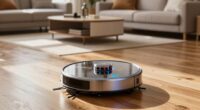
Among these robot vacuum cleaners, I’d put the Roborock Saros 20 Flow forward as the best overall for shoppers seeking an advanced vacuum-and-mop system, while the Shark AI Ultra AV2511AE stands out for hands-off debris disposal and the eufy 11S Max for straightforward, low-profile vacuuming. The lineup ranges from simple vacuums to combo models with docks that take on more routine maintenance. The main tradeoff is between lower-cost, simpler cleaning and paying more for navigation, mopping, and dock automation. Carpet, hard floors, pet hair, thresholds, and the space available for a dock can all change which features matter most. Read on for the full breakdown, ranking logic, and advice on matching a model to your home.

Get the latest gadgets delivered free with Prime
- Fast, free delivery on millions of items
- Prime Video, Amazon Music and more included
- Member-only deals all year
Complete the kit


Key Takeaways
- The most capable options are combo systems: the Roborock Saros 20 Flow and Qrevo models pair vacuuming with mopping, while basic picks such as the ILIFE V2 and eufy 11S Max focus on vacuuming.
- Self-emptying is a convenience choice, not a cleaning guarantee: the Shark AI Ultra AV2511AE and Roomba 105X Combo add dock-based dust handling, but buyers still need to plan for routine upkeep.
- Roborock’s lineup spans very different needs: the Q7 L5 offers a simpler combo approach, while the Qrevo Edge 2 and Qrevo 2 Pro are aimed at buyers prioritizing more advanced cleaning systems.
- Shark models emphasize coverage and reduced bin handling: Matrix Clean and self-emptying features are useful for regular upkeep, though a larger base needs a place to live.
- Combo naming needs close attention: the list includes Roomba 115X variants with and without an AutoEmpty Dock, so buyers should verify the exact model and included dock before choosing.
| ILIFE V2 Robot Vacuum Cleaner |  | Best for Simple, Wi-Fi-Free Cleaning | Surfaces: Hard floors, pet hair, and carpet | Runtime: Up to 120 minutes | Dust capacity: 300 ml | VIEW LATEST PRICE | See Our Full Breakdown |
| iRobot Roomba 105X Combo Robot Vacuum and Mop with AutoEmpty Dock |  | Best for Low-Maintenance Vacuuming and Mopping | Cleaning modes: Vacuum, mop, or vacuum and mop together | AutoEmpty Dock: Holds up to 75 days of debris | Mapping: ClearView LiDAR | VIEW LATEST PRICE | See Our Full Breakdown |
| iRobot Roomba 115X Combo Robot Vacuum and Mop |  | Best for Adjustable Everyday Floor Care | Suction power: 10,000 Pa | Coverage per charge: Up to 900 sq ft | Navigation: ClearView LiDAR | VIEW LATEST PRICE | See Our Full Breakdown |
| Shark AI Ultra Robot Vacuum with 60-Day Self-Emptying Base, Black, AV2511AE |  | Best for Pet Hair Without Disposable Dock Bags | Surfaces: Carpets and hard floors | Navigation: 360° LiDAR | Self-emptying base: Bagless; holds up to 60 days of debris | VIEW LATEST PRICE | See Our Full Breakdown |
| Roborock Saros 20 Flow Robot Vacuum and Mop |  | Best Premium All-Surface Cleaning System | Suction power: 36,000 Pa | Threshold clearance: Up to 3.46 inches | Obstacle recognition: More than 300 types | VIEW LATEST PRICE | See Our Full Breakdown |
| Tikom G8000 Max Robot Vacuum and Mop Combo |  | Best for Long Runs on a Budget | Suction power: 5000 Pa | Dustbin capacity: 450 ml | Water tank capacity: 300 ml | VIEW LATEST PRICE | See Our Full Breakdown |
| Roborock Qrevo Edge 2 Robot Vacuum and Mop, 25,000 Pa, 3.14-Inch Ultra-Slim |  | Best Premium Hands-Off Pick | Suction power: 25,000 Pa | Height: 3.14 inches | Mopping pressure: 8 N | VIEW LATEST PRICE | See Our Full Breakdown |
| Shark AV2501S AI Ultra Robot Vacuum with Matrix Clean and Self-Empty Base |  | Best for Pet-Hair Vacuuming | Navigation: Matrix Clean with 360° LiDAR mapping | Surface compatibility: Carpets and hard floors | Self-emptying base: Bagless; holds up to 30 days of debris | VIEW LATEST PRICE | See Our Full Breakdown |
| Shark Matrix Plus Robot Vacuum and Mop Combo, AV2610WA |  | Best for Combined Floor Care | Model: AV2610WA | Cleaning type: Robot vacuum and mop | Mopping speed: Up to 100 scrubs per minute | VIEW LATEST PRICE | See Our Full Breakdown |
| Roborock Q7 L5 Robot Vacuum and Mop Combo |  | Best Midrange Mapping Pick | Suction power: 8,000 Pa | Navigation: LiDAR | Water tank capacity: 270 ml | VIEW LATEST PRICE | See Our Full Breakdown |
| ROPVACNIC Robot Vacuum and Mop Combo, 5200 Pa |  | Best Value for Basic Vacuuming and Mopping | Suction power: 5200 Pa | Battery life: 120 minutes | Battery type: Lithium-ion | VIEW LATEST PRICE | See Our Full Breakdown |
| iRobot Roomba 115 Combo Robot Vacuum and Mop with AutoEmpty Dock |  | Best for Lower-Touch Cleaning and Rug Protection | Suction power: 15,000 Pa | Coverage per charge: Up to 900 sq. ft. | Battery life: 173 minutes | VIEW LATEST PRICE | See Our Full Breakdown |
| eufy 11S Max Robot Vacuum Cleaner | 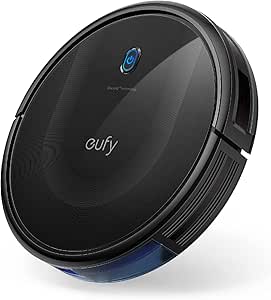 | Best for Quiet, App-Free Cleaning | Model: 11S Max | Profile height: 2.85 inches | Runtime: Up to 100 minutes on hardwood floors | VIEW LATEST PRICE | See Our Full Breakdown |
| Roborock Qrevo 2 Pro Robot Vacuum and Mop |  | Best Premium All-in-One Dock | Suction: 20,000 Pa | Battery life: 253 minutes | Noise level: 54 dB | VIEW LATEST PRICE | See Our Full Breakdown |
| iRobot Roomba Plus 415X Robot Vacuum and Mop Combo |  | Best for Automated Mop-Pad Care | Type: Robot vacuum and mop | Suction power: 20,000 Pa | Dock: AutoWash Dock | VIEW LATEST PRICE | See Our Full Breakdown |
| robot vacuum cleaner | Suction power | Navigation |
|---|---|---|
| ILIFE V2 Robot Vacuum Cleaner | — | — |
| iRobot Roomba 105X Combo Robot | — | — |
| iRobot Roomba 115X Combo Robot | 10,000 Pa | ClearView LiDAR |
| Shark AI Ultra Robot Vacuum wi | — | 360° LiDAR |
| Roborock Saros 20 Flow Robot V | 36,000 Pa | — |
| Tikom G8000 Max Robot Vacuum a | 5000 Pa | — |
| Roborock Qrevo Edge 2 Robot Va | 25,000 Pa | — |
| Shark AV2501S AI Ultra Robot V | — | Matrix Clean with 360° LiDAR mapping |
| Shark Matrix Plus Robot Vacuum | — | 360° LiDAR mapping |
| Roborock Q7 L5 Robot Vacuum an | 8,000 Pa | LiDAR |
| ROPVACNIC Robot Vacuum and Mop | 5200 Pa | — |
| iRobot Roomba 115 Combo Robot | 15,000 Pa | LiDAR |
| eufy 11S Max Robot Vacuum Clea | — | — |
| Roborock Qrevo 2 Pro Robot Vac | — | LiDAR |
| iRobot Roomba Plus 415X Robot | 20,000 Pa | LiDAR mapping and obstacle recognition |
More Details on Our Top Picks
ILIFE V2 Robot Vacuum Cleaner
I’d pick the ILIFE V2 for straightforward maintenance on hard floors, especially when pet hair is the main nuisance and app setup is unwelcome. Its tangle-free suction, slim 2.99-inch profile, and up to 120 minutes of runtime suit routine passes under furniture better than the feature-heavy Roborock Saros 20 Flow. A remote and one-touch button handle scheduling and cleaning modes without Wi-Fi, keeping operation simple.
The tradeoff is limited reach: it is recommended for low-pile carpet, and its single power level offers less flexibility than the adjustable settings on the Roomba 115X Combo. Its 300 ml dustbin also means more frequent emptying than the self-emptying Roomba 105X Combo. I’d skip it if you need mopping, advanced mapping, or reliable cleaning across thick carpet; its appeal is uncomplicated daily pickup, not automation depth.
Pros:- Tangle-free suction is designed to pick up pet hair.
- Slim 2.99-inch profile can reach under many pieces of furniture.
- Remote control and one-touch operation work without Wi-Fi.
- Scheduled cleaning and automatic return to the charging dock support routine upkeep.
Cons:- Recommended for low-pile carpet, limiting its usefulness in carpet-heavy homes.
- A single power level offers less control than adjustable-suction models.
- The 300 ml dustbin requires manual emptying and is smaller than a self-emptying setup.
Best for: Pet owners in smaller homes with mostly hard floors or low-pile rugs who want scheduled cleaning without Wi-Fi or app setup.
Not ideal for: Households with thick carpet, large floor plans, or a need for mopping, room mapping, or adjustable suction.
- Surfaces:Hard floors, pet hair, and carpet
- Runtime:Up to 120 minutes
- Dust capacity:300 ml
- Controls:Remote control and one-touch button
- Cleaning modes:Auto, spot, and edge
- Charging:Automatically returns to charging dock
- Dimensions:12.2 x 12.2 x 2.99 in
- Noise level:69 dB
Our verdict“Choose the ILIFE V2 for simple, Wi-Fi-free pet-hair pickup on hard floors, but skip it if you need carpet versatility or smart mapping.”
iRobot Roomba 105X Combo Robot Vacuum and Mop with AutoEmpty Dock
The Roomba 105X Combo suits buyers who want a robot to handle both floor pickup and light mopping while reducing bin chores. Its AutoEmpty Dock holds up to 75 days of debris in a sealed allergen-trapping bag, a clear convenience advantage over the Roomba 115X Combo, which returns to its dock but has no listed self-emptying feature. LiDAR mapping, room targeting, and keep-out zones also make it easier to direct cleaning than the simpler ILIFE V2.
For mixed hard-floor and rug layouts, automatic carpet avoidance while mopping helps keep rugs dry, while selectable vacuum, mop, or combined modes add flexibility. The costs are setup dependence and ongoing dock supplies: it requires 2.4 GHz Wi-Fi, and the product details do not specify the bag replacement schedule or included supplies. I’d skip it if you want a model that works without app connectivity or prefer to avoid disposable dock bags.
Pros:- Vacuums, mops, or performs both functions in one run.
- AutoEmpty Dock holds up to 75 days of debris in a sealed allergen-trapping bag.
- LiDAR mapping supports room targeting and keep-out zones.
- Automatically avoids rugs while mopping.
Cons:- Requires a 2.4 GHz Wi-Fi network for setup and operation.
- The bag replacement schedule and included dock supplies are not specified.
- A bag-based dock adds replacement-supply upkeep compared with the Shark AI Ultra’s bagless base.
Best for: Busy households with hard floors and rugs that want room-based vacuuming, mopping, and fewer manual bin-emptying chores.
Not ideal for: Buyers without a 2.4 GHz Wi-Fi network or those who want to avoid sealed replacement bags and app-based setup.
- Cleaning modes:Vacuum, mop, or vacuum and mop together
- AutoEmpty Dock:Holds up to 75 days of debris
- Mapping:ClearView LiDAR
- Carpet handling:Automatically avoids rugs while mopping
- Mop:Reusable microfiber pad with SmartScrub
- Connectivity:2.4 GHz Wi-Fi
- Voice assistants:Alexa, Siri, and Google Assistant
- Allergen capture:Sealed bag locks in 99% of allergens down to 0.7 microns
Our verdict“Choose the Roomba 105X Combo if you want mapped vacuuming and mopping with reduced bin maintenance, and can accommodate Wi-Fi and replacement bags.”
iRobot Roomba 115X Combo Robot Vacuum and Mop
I’d consider the Roomba 115X Combo for homes that want vacuuming and mopping in one pass but do not need an auto-empty dock. Its 10,000 Pa suction and four suction settings let buyers adjust pickup for different messes, while three water or solution levels offer more cleaning control than the basic ILIFE V2. ClearView LiDAR maps rooms, and No Mop Zones help protect rugs; the washable microfiber pad also avoids relying on a disposable pad.
Compared with the Roomba 105X Combo, this model lists specific suction and coverage figures and adjustable cleaning levels, but the 105X adds an AutoEmpty Dock and automatic rug avoidance while mopping. The 115X covers up to 900 sq ft per charge, so larger homes may need cleaning split into sessions. It also needs 2.4 GHz Wi-Fi, and its filters and brushes need replacement every three to six months. I’d skip it if hands-off debris disposal matters most.
Pros:- Vacuums and mops in one pass.
- Four suction levels and three water or solution levels allow adjustable cleaning.
- LiDAR mapping and No Mop Zones help tailor routes and protect rugs.
- Washable microfiber pad can be reused.
Cons:- Coverage is limited to up to 900 sq ft per charge.
- Requires 2.4 GHz Wi-Fi for setup.
- Filters and brushes need replacement every three to six months, and no auto-empty dock is listed.
Best for: Owners of small to medium homes who want adjustable vacuum-and-mop cleaning, mapped rooms, and a washable mop pad.
Not ideal for: People with large floor plans who need extensive coverage per charge, or buyers who prioritize self-emptying and minimal maintenance.
- Suction power:10,000 Pa
- Coverage per charge:Up to 900 sq ft
- Navigation:ClearView LiDAR
- Cleaning functions:Vacuuming and mopping
- Mop pad:Washable microfiber
- Cleaning settings:1–2 passes, 4 suction levels, and 3 water or solution levels
- Connectivity:2.4 GHz Wi-Fi required for setup
- Charging:Automatically returns to dock
Our verdict“Choose the Roomba 115X Combo for adjustable, mapped floor care in a modest-sized home, but opt for the 105X if an auto-empty dock matters more.”
Shark AI Ultra Robot Vacuum with 60-Day Self-Emptying Base, Black, AV2511AE
The Shark AI Ultra is a strong fit for pet owners who want mapped vacuuming on both carpet and hard floors without adding a mop to the routine. Its bagless self-emptying base holds up to 60 days of debris, avoiding the replacement-bag dependence of the Roomba 105X Combo. A self-cleaning brushroll is designed to reduce hair wrap, while 360° LiDAR mapping, scheduling, and voice control help target regular cleanup.
Compared with the ILIFE V2, the Shark adds smart mapping, a larger maintenance setup, and automatic recharge-and-resume behavior; the ILIFE is simpler and works without Wi-Fi. There is some uncertainty in the supplied runtime information: the description says 90 minutes, while the specifications list 120 minutes. The product details also mention mopping, but the title and included items identify a vacuum, so I’d treat it as a vacuum-only pick. Skip it if mopping is a firm requirement or you want a clearly documented runtime.
Pros:- Bagless self-emptying base holds up to 60 days of debris.
- Self-cleaning brushroll is designed to reduce hair wrap during pet-hair pickup.
- 360° LiDAR supports smart mapping and targeted cleaning.
- Automatically recharges and resumes cleaning.
Cons:- Runtime information conflicts: the description says 90 minutes while the specifications list 120 minutes.
- Mopping is mentioned in the description, but the title and included items identify a vacuum rather than a confirmed combo.
- The bagless base is bulky compared with a basic charging dock.
Best for: Pet owners with a mix of carpet and hard flooring who want scheduled, mapped vacuuming and a bagless self-emptying base.
Not ideal for: Buyers seeking a verified vacuum-and-mop combo or who need unambiguous runtime information before choosing.
- Surfaces:Carpets and hard floors
- Navigation:360° LiDAR
- Self-emptying base:Bagless; holds up to 60 days of debris
- Battery life:120 minutes listed in specifications; description states 90 minutes
- Capacity:0.27 gallons
- Controls:App control
- Voice compatibility:Amazon Alexa and Google Assistant
- Included:Robot vacuum, XL self-empty base, 1 side brush, and 1 filter
Our verdict“Choose the Shark AI Ultra for mapped, pet-focused vacuuming with a bagless self-emptying base, but skip it if you need a confirmed mop function.”
Roborock Saros 20 Flow Robot Vacuum and Mop
The Roborock Saros 20 Flow is the feature-led choice for buyers who want a vacuum and mop system built to handle varied floors, obstacles, and raised thresholds. Its stated 36,000 Pa suction, AI recognition of more than 300 obstacle types, and threshold clearance up to 3.46 inches target homes where simpler robots may get stuck or miss debris. The dock washes the roller mop with 212°F water and dries it with 145°F warm air, reducing manual pad care compared with the washable-pad Roomba 115X Combo.
That added automation comes with more complexity than the Shark AI Ultra, which focuses on vacuuming and a bagless debris base rather than a self-cleaning mop system. The Saros lists a 301-minute battery life and broad surface recommendations, but it only supports 2.4 GHz Wi-Fi; its listed 66.6 dB noise level may also be noticeable in occupied rooms. I’d skip it if you only need basic vacuuming or prefer a simpler, less elaborate setup.
Pros:- 36,000 Pa suction is the highest stated suction figure among these five picks.
- Dock washes the mop with hot water and dries it with warm air.
- AI system recognizes more than 300 obstacle types.
- Designed to cross double-layer thresholds up to 3.46 inches and reduce hair tangles.
Cons:- Wi-Fi support is limited to 2.4 GHz.
- The listed 66.6 dB noise level may be noticeable during cleaning.
- Its extensive mop and dock functions are unnecessary complexity for buyers who only need vacuuming.
Best for: Owners of larger, mixed-floor homes with raised thresholds, frequent obstacles, and a need for an automated mop-washing and drying dock.
Not ideal for: Buyers who only need basic vacuuming, prefer simple controls, or rely on a 5 GHz-only Wi-Fi network.
- Suction power:36,000 Pa
- Threshold clearance:Up to 3.46 inches
- Obstacle recognition:More than 300 types
- Mop washing:212°F hot water
- Warm-air drying:145°F
- Battery life:301 minutes
- Noise level:66.6 dB
- Wi-Fi:2.4 GHz only
Our verdict“Choose the Saros 20 Flow for advanced mixed-floor cleaning and automated mop care, but skip it if basic vacuuming is all you need.”
Tikom G8000 Max Robot Vacuum and Mop Combo
The Tikom G8000 Max is a straightforward choice for buyers who want vacuuming and mopping in one pass without stepping up to a large multifunction dock. Its 150-minute quiet-mode runtime is longer than the Shark AV2501S’s stated 120 minutes, and automatic recharging helps it resume household upkeep when the battery runs low. At just 2.99 inches tall, it can reach beneath furniture that taller robots may miss. App, remote, voice, and onboard-button controls also make it flexible for households with different preferences.
The tradeoff is reduced autonomy: its 450 ml dustbin and 300 ml water tank need attention, unlike the Shark’s self-emptying base. Its listed carpet suitability is limited to short- and medium-pile styles, so I would skip it for thick rugs or a mostly carpeted home.
Pros:- Vacuuming and mopping can operate at the same time.
- Up to 150 minutes of runtime in quiet mode, with automatic recharging.
- Low 2.99-inch profile can fit beneath some furniture.
- App, remote, voice, and button controls plus four cleaning modes.
Cons:- The 450 ml dustbin and 300 ml water tank require periodic refilling and emptying.
- Carpet suitability is specified for short- and medium-pile carpets, limiting its fit for plush rugs.
- No self-emptying dock is listed.
Best for: Households with mostly hard floors that want a slim, long-running vacuum-and-mop robot with several control options.
Not ideal for: Owners of thick-pile carpets or anyone seeking a self-emptying dock and less frequent bin maintenance.
- Suction power:5000 Pa
- Dustbin capacity:450 ml
- Water tank capacity:300 ml
- Maximum runtime:150 minutes in quiet mode
- Height:2.99 inches
- Control methods:App, remote, voice, and button
- Cleaning modes:Spot, edge, zig-zag, and manual
- Charging:Automatically recharges when battery is low
Our verdict“Choose the Tikom G8000 Max for long, slim-profile cleaning on mixed hard floors and shorter carpets, but not for hands-off bin care or thick rugs.”
Roborock Qrevo Edge 2 Robot Vacuum and Mop, 25,000 Pa, 3.14-Inch Ultra-Slim
The Roborock Qrevo Edge 2 is the most hands-off choice in this group: its dock empties dust, washes and dries the mops, and refills water, while the robot offers 25,000 Pa suction and obstacle recognition for over 280 object types. That automation goes well beyond the simpler Tikom G8000 Max, which combines vacuuming and mopping but has no dock listed for routine upkeep. The Edge 2’s retractable navigation and 3.14-inch body are designed to reach under low furniture without giving up mapped navigation, and its 188-minute battery life suits larger cleaning runs.
The premium feature set comes with a specific network limitation: it supports 2.4 GHz Wi-Fi only. It is also more machine than buyers need if they want basic floor pickup rather than dock-managed mop care.
Pros:- Multifunction dock washes and dries mops, empties dust, and refills water.
- 25,000 Pa suction and an anti-tangle system target debris and pet hair.
- AI recognition covers over 280 object types.
- Retractable navigation and a 3.14-inch height help it clean beneath low furniture.
Cons:- Connects to 2.4 GHz Wi-Fi only.
- The feature-rich dock and robot may be unnecessary for buyers who only need basic vacuuming.
- The listed specifications do not state the dustbin or water-tank capacity.
Best for: Busy households with pets, mixed flooring, and low furniture that want a robot and dock to handle much of the recurring cleaning maintenance.
Not ideal for: Buyers with 5 GHz-only Wi-Fi or those who want a simpler robot without an automated mop-maintenance dock.
- Suction power:25,000 Pa
- Height:3.14 inches
- Mopping pressure:8 N
- Obstacle recognition:Over 280 object types
- Mop washing:176°F hot water
- Mop drying:131°F warm air
- Auto dust emptying:Up to 65 days
- Battery life:188 minutes
- Wi-Fi:2.4 GHz only
Our verdict“Pick the Qrevo Edge 2 if you want extensive dock automation and advanced obstacle handling, and your home’s Wi-Fi supports 2.4 GHz.”
Shark AV2501S AI Ultra Robot Vacuum with Matrix Clean and Self-Empty Base
The Shark AV2501S is the clearest fit here for buyers who want mapped vacuuming with less frequent bin emptying, rather than an all-in-one mop. Its 360° LiDAR and Matrix Clean pattern support organized coverage across carpets and hard floors, while the bagless base holds up to 30 days of debris. That makes it a lower-maintenance vacuuming option than the Tikom G8000 Max, whose smaller onboard bin must be emptied by hand. HEPA filtration and a self-cleaning brushroll designed for pet hair add practical appeal for homes where fur and fine dust are everyday concerns.
Unlike the Shark Matrix Plus AV2610WA, this AV2501S does not list mopping, so it will not scrub hard floors. The stated 120-minute runtime is also shorter than the Tikom’s quiet-mode maximum, and the listed 0.09-liter capacity may mean more attention to the robot’s onboard bin even with the self-emptying base.
Pros:- 360° LiDAR and Matrix Clean support systematic coverage.
- Bagless self-emptying base holds up to 30 days of debris.
- HEPA filtration captures dust and allergens.
- Self-cleaning brushroll is designed to pick up pet hair.
Cons:- Does not include a mopping function, unlike the Shark Matrix Plus AV2610WA.
- Up to 120 minutes of runtime is shorter than the Tikom G8000 Max’s stated quiet-mode maximum.
- The listed 0.09-liter capacity may require attention to the robot’s onboard bin.
Best for: Pet owners who want systematic vacuuming, allergen-focused filtration, and a bagless self-emptying base without adding a mopping system.
Not ideal for: Buyers who want one robot to vacuum and mop or who need compatibility beyond the listed 120-volt specification.
- Navigation:Matrix Clean with 360° LiDAR mapping
- Surface compatibility:Carpets and hard floors
- Self-emptying base:Bagless; holds up to 30 days of debris
- Filtration:HEPA
- Runtime:Up to 120 minutes
- Capacity:0.09 liters
- Controls:App and voice control
- Voice assistants:Amazon Alexa and Google Home
Our verdict“Choose the AV2501S for mapped, pet-focused vacuuming and a bagless self-empty base, but select the Matrix Plus if mopping is part of the job.”
Shark Matrix Plus Robot Vacuum and Mop Combo, AV2610WA
The Shark Matrix Plus makes the most sense when you want vacuuming and active hard-floor mopping from the same robot. Its sonic mop scrubs up to 100 times per minute, while LiDAR mapping and matrix cleaning target methodical coverage; the bagless base holds up to 60 days of dirt and debris. Compared with the Shark AV2501S, this model adds mopping and a larger stated base capacity, making it a better match for homes with both rugs and hard flooring that still want one cleaning system.
That extra function has boundaries: the mop is intended for hard floors, not carpets, so carpeted areas still receive vacuuming only. The base and robot also need periodic maintenance, and its dock does not list the mop washing and drying automation found on the premium Roborock Qrevo Edge 2. I’d favor the Roborock for less manual mop care, but the Shark’s stated 60-day dirt capacity is the longer interval for debris storage.
Pros:- Vacuuming and sonic mopping can run at the same time.
- Sonic mop scrubs up to 100 times per minute on hard floors.
- Bagless base holds up to 60 days of dirt and debris.
- LiDAR mapping supports methodical cleaning, with a self-cleaning brushroll designed for pet hair.
Cons:- Mopping is intended for hard floors, not carpets.
- The robot and base still need periodic maintenance.
- Does not list the automated mop washing and drying offered by the Roborock Qrevo Edge 2.
Best for: Homes with a mix of carpets and hard floors where owners want one mapped robot for vacuuming and sonic mopping.
Not ideal for: Buyers who need automated mop washing and drying or expect the robot to mop carpeted areas.
- Model:AV2610WA
- Cleaning type:Robot vacuum and mop
- Mopping speed:Up to 100 scrubs per minute
- Self-emptying capacity:Up to 60 days of dirt and debris
- Filtration:HEPA; captures 99.97% of dust and allergens down to 0.3 microns
- Navigation:360° LiDAR mapping
- Special features:Edge cleaning, self-charging, and recharge and resume
- Included accessories:Two reusable microfiber mopping pads, one filter, one side brush, and 12 oz. starter cleaning solution
Our verdict“Choose the Shark Matrix Plus for combined mapped vacuuming and sonic mopping with a long-capacity dirt base, provided you can maintain the system and keep mopping to hard floors.”
Roborock Q7 L5 Robot Vacuum and Mop Combo
The Roborock Q7 L5 sits between the basic Tikom G8000 Max and the dock-heavy premium Qrevo Edge 2: it adds LiDAR mapping, multi-floor maps, and no-go zones without listing a multifunction service dock. Its 8,000 Pa suction and automatic carpet boost give it more stated pickup power than the Tikom’s 5,000 Pa, while simultaneous vacuuming and mopping cover routine mixed-floor cleaning. Anti-tangle brushes can also reduce hair wrap, a useful maintenance point for homes with shedding pets.
The Q7 L5’s 150-minute battery life matches the Tikom’s stated quiet-mode maximum, but its 270 ml water tank is smaller than the Tikom’s 300 ml tank. Its 2.4 GHz-only Wi-Fi is another restriction, and the combined water-tank and dustbin part makes upkeep less modular. I’d choose the Qrevo Edge 2 for automated dock care; this model suits buyers who value mapped control over hands-off maintenance.
Pros:- 8,000 Pa suction with automatic carpet boost.
- LiDAR supports multi-floor mapping and no-go zones.
- Vacuuming and mopping can operate at the same time.
- Anti-tangle brushes help reduce hair wrap.
Cons:- Supports 2.4 GHz Wi-Fi only.
- The water tank and dustbin are an integrated combo part.
- No self-emptying or automated mop-washing dock is listed.
Best for: Households with multiple floors, mixed surfaces, or pets that want mapped vacuum-and-mop cleaning without a large automated dock.
Not ideal for: Buyers with 5 GHz-only Wi-Fi or anyone seeking a self-emptying dock and automated mop washing.
- Suction power:8,000 Pa
- Navigation:LiDAR
- Water tank capacity:270 ml
- Battery life:150 minutes
- Noise level:60 dB
- Controls:App, buttons, and voice
- Voice compatibility:Amazon Echo and Google Home
- Wi-Fi:2.4 GHz
- Surface recommendations:Carpet, laminate, tile, vinyl, wood, and marble
Our verdict“Pick the Q7 L5 for mapped, multi-floor vacuum-and-mop cleaning with stronger stated suction than the Tikom, but skip it if you need dock automation or 5 GHz Wi-Fi.”
ROPVACNIC Robot Vacuum and Mop Combo, 5200 Pa
The ROPVACNIC pairs vacuuming with adjustable electric mopping in a simpler package than the self-maintaining docks on the Roomba Plus 415X or Roborock Qrevo 2 Pro. That makes it a practical fit for homes that want routine hard-floor care without relying on a dock to wash mop pads or refill water. App, remote, touchpad, and voice controls offer several ways to start a cleaning run, and automatic recharging reduces the need to retrieve it when the battery runs low. Its brush-free design and dual side brushes are intended to collect pet hair, though the supplied details don’t establish how it handles heavy shedding. The main limit is carpet compatibility: it’s recommended for hard floors and low-pile carpets, and the water tank capacity isn’t specified, so buyers can’t judge mopping coverage from that figure.
Pros:- Combines vacuuming with adjustable electric mopping
- Offers app, remote, touchpad, and voice controls
- Automatically returns to recharge
- Brush-free design and dual side brushes are suited to pet-hair pickup
Cons:- Carpet recommendation is limited to low-pile surfaces
- Water tank capacity is not provided, making mopping coverage harder to gauge
Best for: Households with mostly hard floors and some low-pile rugs that want app or voice control without a self-cleaning dock.
Not ideal for: Homes with substantial medium- or high-pile carpeting, or buyers who want a dock to handle mop washing and water refills.
- Suction power:5200 Pa
- Battery life:120 minutes
- Battery type:Lithium-ion
- Recommended surfaces:Hardwood floors and low-pile carpets
- Suction levels:3
- Controls:App, remote, touchpad, and voice
- Voice assistant compatibility:Amazon Echo and Google Home
- Filter:Multi-layer optimized high-efficiency filtration
Our verdict“Choose the ROPVACNIC for multi-control convenience and basic hard-floor mopping, but pick the Roomba Plus 415X if you want a dock that also manages mop-pad care.”
iRobot Roomba 115 Combo Robot Vacuum and Mop with AutoEmpty Dock
The Roomba 115 Combo is a strong fit for buyers who want vacuuming, mopping, and debris emptying handled in one routine. LiDAR mapping helps it build room paths, while No Mop Zones give rug owners a way to keep damp cleaning away from selected areas. Its AutoEmpty dock stores debris in a 2.5 L bag and is specified to trap 99% of pollen and mold, cutting down on frequent bin emptying. Compared with the eufy 11S Max, it offers far more automation and adds mopping, but it also depends on app setup through a 2.4 GHz Wi-Fi network. Coverage is specified at up to 900 sq. ft. per charge, so buyers with larger floor plans should check that against their layout. Filters and brushes also need replacement every three to six months.
Pros:- Vacuums and mops in one pass
- LiDAR mapping and obstacle avoidance support organized room cleaning
- No Mop Zones help keep rugs dry
- AutoEmpty bag holds 2.5 L and is specified to trap 99% of pollen and mold
Cons:- Setup requires a 2.4 GHz Wi-Fi network
- Filters and brushes need replacement every three to six months
- Coverage is specified at up to 900 sq. ft. per charge
Best for: Rug-and-hard-floor households that want mapped vacuum-and-mop runs, zone control, and less frequent debris-bin emptying.
Not ideal for: Buyers without a 2.4 GHz Wi-Fi network, or homes whose cleaning area exceeds the stated coverage per charge.
- Suction power:15,000 Pa
- Coverage per charge:Up to 900 sq. ft.
- Battery life:173 minutes
- Navigation:LiDAR
- Dock bag capacity:2.5 L
- Mopping pad:Washable microfiber
- Suction levels:4
- Wi-Fi requirement:2.4 GHz required for setup
Our verdict“Pick the Roomba 115 Combo for mapped cleaning, rug-protection zones, and dock-based emptying; choose the eufy 11S Max if you prefer a simpler vacuum without Wi-Fi setup.”
eufy 11S Max Robot Vacuum Cleaner
The eufy 11S Max prioritizes a slim, quiet vacuum-only design over mapping, mopping, and app features. At 2.85 inches tall, it may reach beneath furniture that taller robots cannot, while its stated 55 dB noise level suits households that want cleaning to be less intrusive. BoostIQ adjusts suction across surfaces, and obstacle and drop sensors support basic automated movement. Compared with the ROPVACNIC, the eufy gives up mopping and connected controls; compared with the LiDAR-equipped Roomba 115 Combo, it also lacks mapped room navigation. In return, it avoids Wi-Fi setup and can be operated by remote or onboard buttons. Its 600 ml dustbin and washable filter are straightforward, but buyers seeking room-by-room scheduling or app control should look elsewhere.
Pros:- 2.85-inch profile can fit under some furniture
- Specified noise level is 55 dB
- BoostIQ adjusts suction for different surfaces
- Includes obstacle and drop sensors, self-charging, and a washable filter
Cons:- No Wi-Fi or app connectivity
- Remote control and onboard buttons are the only controls
- Does not mop or offer mapped room navigation
Best for: People in smaller or furnished homes who want a quiet, low-profile vacuum and are comfortable using a remote instead of an app.
Not ideal for: Buyers who need mopping, mapped routes, app control, or a dock that empties the robot automatically.
- Model:11S Max
- Profile height:2.85 inches
- Runtime:Up to 100 minutes on hardwood floors
- Noise level:55 dB
- Cleaning path width:12.8 inches
- Dustbin capacity:600 ml
- Recommended surfaces:Hard floors, tile, and medium-pile carpets
- Connectivity and control:No Wi-Fi or app; remote control and device buttons
Our verdict“Choose the eufy 11S Max for quiet, low-profile vacuuming without connected controls; choose the Roomba 115 Combo for mapping and combined vacuum-and-mop cleaning.”
Roborock Qrevo 2 Pro Robot Vacuum and Mop
The Qrevo 2 Pro is the most hands-off choice here for buyers who want the dock to manage much of the cleaning aftermath. Its multifunction dock empties dust, refills water, and washes and dries the dual spinning mops, while LiDAR navigation and obstacle avoidance support mapped runs. At 20,000 Pa of suction and up to 253 minutes of battery life, it is positioned for demanding, longer cleaning sessions compared with the ROPVACNIC, which has simpler controls and no listed mop-care dock. The Qrevo’s mop can lift up to 15 mm over carpets, helping reduce wet contact when crossing suitable rugs, though that clearance is not a substitute for checking carpet compatibility. This level of automation brings more dock functions to manage, and Wi-Fi support is limited to 2.4 GHz.
Pros:- Dock empties dust, refills water, and washes and dries the mops
- LiDAR navigation and obstacle avoidance support mapped cleaning
- 20,000 Pa suction with automatic carpet boost
- Anti-tangle brushes are designed for pet hair
Cons:- Wi-Fi support is limited to 2.4 GHz
- Multifunction dock adds more components and routines than a basic charging setup
Best for: Pet owners and busy households with mixed flooring who want a mapped robot and a dock that handles dust and mop maintenance.
Not ideal for: Buyers with only 5 GHz Wi-Fi or those who want a basic, low-maintenance vacuum without a multifunction dock.
- Suction:20,000 Pa
- Battery life:253 minutes
- Noise level:54 dB
- Navigation:LiDAR
- Mop lift:Up to 15 mm
- Mop washing temperature:149°F
- Mop drying temperature:113°F
- Wi-Fi:2.4 GHz only
Our verdict“Choose the Qrevo 2 Pro for extensive dock automation and long cleaning sessions; the Roomba 115 Combo is a simpler alternative if you mainly want mapped mopping and debris emptying.”
iRobot Roomba Plus 415X Robot Vacuum and Mop Combo
The Roomba Plus 415X stands out for combining vacuuming and mopping with an AutoWash Dock that empties debris for up to 90 days and washes and heat-dries the mop pads after each job. That dock makes it a more self-maintaining option than the ROPVACNIC, whose supplied details do not list automatic mop washing or debris emptying. LiDAR mapping, obstacle recognition, and automatic mop lifting up to 10 mm support cleaning around furniture and rugs, while several modes let owners separate vacuuming and mopping when a combined run is unsuitable. Its tangle-free rubber brushes are designed for pet hair. The main practical caveat is that the dock and robot need access to water, and the product information does not specify battery life or dimensions, leaving coverage and placement harder to plan.
Pros:- AutoWash Dock empties debris for up to 90 days
- Dock washes and heat-dries mop pads after each job
- LiDAR mapping and obstacle recognition support guided cleaning
- Rubber brushes are designed for pet hair, and mop pads lift up to 10 mm
Cons:- Robot and dock require access to water for mopping and automatic refilling
- Battery life and product dimensions are not provided
- Mop lifting is specified at 10 mm, which may not clear every rug
Best for: Pet households with rugs and hard floors that want a robot to wash and heat-dry mop pads and reduce frequent debris handling.
Not ideal for: Homes without a suitable water-access setup, or buyers who need stated battery runtime and dimensions before choosing a robot.
- Type:Robot vacuum and mop
- Suction power:20,000 Pa
- Dock:AutoWash Dock
- Debris self-emptying:Up to 90 days
- Mop-pad drying temperature:113°F
- Mop lifting:10 mm
- Navigation:LiDAR mapping and obstacle recognition
- Cleaning modes:Vacuum-only, mop-only, vacuum and mop, vacuum then mop
Our verdict“Choose the Roomba Plus 415X if mop-pad washing and drying are priorities, but favor the Qrevo 2 Pro if you want its specified 15 mm mop lift and longer stated runtime.”

How We Picked
I ranked these robot vacuum cleaners by how well their feature sets address everyday needs: dependable floor coverage, useful navigation, the practical value of mopping, and the amount of work shifted to a dock. I also weighed ease of setup, maintenance demands, suitability for different floor types, and whether each model’s role is distinct within this lineup. Products with more automation can suit larger or busier homes, but added complexity does not automatically make them the right choice for every buyer.
The ranking favors well-rounded cleaning and useful convenience over headline specifications alone. That puts capable vacuum-and-mop systems ahead for buyers who want one machine to handle more tasks, while self-emptying Shark and Roomba options earn their place through reduced bin handling. Simpler models remain worthwhile for budget-minded shoppers and homes that need basic vacuuming, but they rank lower because they offer fewer ways to automate floor care. The product list supplies model names and features, not independent test results, so I avoid claims about measured performance.
Factors to Consider When Choosing Robot Vacuum Cleaners
I’d start with your home’s cleaning routine rather than the longest feature list. These factors help separate useful automation from extras that may add upkeep without solving your main problem.
Choose vacuum-only or vacuum-and-mop based on your floors
A combo robot makes more sense when hard floors need regular light maintenance as well as vacuuming. It does not replace a dedicated mop for stubborn marks or a detailed clean, so don’t buy one expecting deep scrubbing without checking what the model actually does. In homes that are mostly carpeted, a mop function may contribute little and can add components to clean and store. Mixed-floor households should check how the robot handles rugs while mopping and whether the mop can be removed or managed separately. A focused vacuum such as the eufy 11S Max may be the simpler fit when hard-floor mopping is not a priority.
Match navigation and coverage to the layout
Navigation matters most in homes with multiple rooms, furniture obstacles, or areas you want cleaned on a schedule. A robot that follows a more organized route can make room-by-room upkeep easier to manage than one aimed at simpler cleaning runs. Open-plan spaces may not need every mapping feature, so weigh the added setup and app controls against your floor plan. Check whether your preferred model supports the boundaries or room controls you need instead of assuming all robots offer the same mapping tools. Also account for cords, low furniture, and clutter: clearing those hazards can matter as much as buying a more feature-rich unit.
Decide whether a self-emptying dock fits your routine
A self-emptying dock reduces how often you handle the robot’s onboard dust bin, which can help in homes with frequent cleaning or lots of debris. It does not make the system maintenance-free: docks need space, and dust bags or collection areas still require attention. Before choosing a dock-equipped model, measure the intended location and leave room to reach it for service. If you run the robot occasionally in a small space, a standard dock may be less bulky and easier to live with. Treat self-emptying as a convenience feature with recurring upkeep, not as a substitute for cleaning the machine.
Check dimensions, thresholds, and furniture clearance
Robot height can decide whether a machine cleans beneath sofas and cabinets, while its overall footprint affects how easily it moves around tight spaces. A slim body is useful only if it can still handle your home’s thresholds and avoid getting stuck in common pinch points. Measure the clearance under furniture where dust collects, and compare it with the robot’s listed height. Consider the dock too: compact robots can still need a substantial base. A common mistake is to compare suction claims while overlooking whether the robot can physically reach the floors that need cleaning.
Plan for hair, filters, brushes, and mop care
Pet hair and long human hair can wrap around brushes, so ongoing brush and filter care should be part of the decision. Look up which replacement parts are compatible and how frequently the manufacturer recommends cleaning them. For combo models, mop pads and water-related components add another layer of upkeep, even when the robot handles routine cleaning automatically. A simpler vacuum-only model may be easier to maintain if you do not need wet cleaning. Think about the chores you are willing to do after each run, not just the tasks the robot performs on its own.
Pay for features that address a recurring problem
More automation is most useful when it removes a task you would otherwise repeat often, such as emptying a bin or maintaining hard floors. If your main goal is to pick up everyday dust in a small home, a basic model may be enough without mapping or a large dock. A premium combo system can make more sense when you want vacuuming and mopping in one routine and will use those functions regularly. Avoid treating a high suction figure or feature count as a complete measure of cleaning quality. Compare the full package—navigation, floor compatibility, dock demands, and maintenance—against the chores you actually want to reduce.
Frequently Asked Questions
Is a robot vacuum with a mop worth choosing over a vacuum-only model?
I’d choose a combo model if you have hard floors and expect to use the mop function regularly. It can help keep floors tidy between deeper cleans, but it should not be assumed to remove dried or stubborn messes like a dedicated mop. For mostly carpeted rooms, the extra components may bring little benefit. Compare how the mop is managed around rugs and what cleaning the mop system itself requires. If those details do not match your routine, a vacuum-only option can be the more practical choice.
Do I need a self-emptying dock if I have pets?
A self-emptying dock can reduce how often you empty the robot’s onboard bin, which may be useful when a home collects hair and debris quickly. It does not remove the need to clean brushes, filters, or the dock itself. Check the dock’s collection system and ongoing supplies before deciding, and make sure you have room for its footprint. Pet hair can also wrap around brushes, so regular maintenance still matters. If you do not mind emptying a bin often, a non-self-emptying model may be enough.
Can one robot vacuum clean both carpet and hard floors?
Many models in this roundup are designed to handle more than one floor type, but performance and mopping suitability can vary by model. A vacuum-and-mop robot needs a way to avoid wetting rugs or a workflow that lets you manage the mop separately. Check the manufacturer’s floor and rug guidance rather than assuming a combo model can move freely between every surface. Tall thresholds and thick rugs can also affect where a robot can travel. If your home has substantial carpet, prioritize vacuuming capability and rug handling over mop features.
How do I choose between the Roomba 115X Combo versions?
The list includes a Roomba 115X Combo with an AutoEmpty Dock and a separate Roomba 115 Combo listing, so verify the exact model designation and what comes in the box. A dock can reduce manual bin emptying, but it also takes up space and adds parts to maintain. Check the product listing for the included dock, mop components, and compatible accessories before ordering. Do not rely on similar names alone to establish that two packages have the same features. If reduced bin handling matters to you, the dock details should be a deciding factor.
Should I choose a slim robot or a more feature-rich model?
Choose a slim design when your main obstacle is low furniture that a taller robot cannot reach beneath. A more feature-rich model may suit a larger or more varied home if its navigation and automation solve problems you face every week. Measure furniture clearance first, then check the robot’s height and dock dimensions; the robot itself is only part of the space requirement. A thin body does not automatically mean better coverage or fewer maintenance tasks. Let your layout and routine decide whether clearance or broader automation matters more.
Conclusion
For the broadest feature set in this lineup, I’d start with the Roborock Saros 20 Flow as the best overall; buyers seeking a high-end vacuum-and-mop setup can compare it with the Roborock Qrevo Edge 2 and Qrevo 2 Pro as premium alternatives. For reduced bin handling, the Shark AI Ultra AV2511AE is a strong fit, while the Roborock Q7 L5 is the best value direction for shoppers who want a combo model without stepping straight to the most elaborate systems. Beginners who prefer uncomplicated vacuuming should look at the eufy 11S Max or ILIFE V2; homes that want a self-emptying Roomba can compare the 105X Combo with the listed 115X Combo package. For focused needs, the Shark Matrix models suit buyers interested in scheduled coverage and dock convenience, while the Tikom G8000 Max and ROPVACNIC 5200 Pa are combo alternatives to examine against your floor plan and maintenance expectations. I’d make the final choice by matching floor types, available dock space, and the chores you most want to reduce—not by picking the longest feature list.