
TL;DR

Get the latest gadgets delivered free with Prime
- Fast, free delivery on millions of items
- Prime Video, Amazon Music and more included
- Member-only deals all year
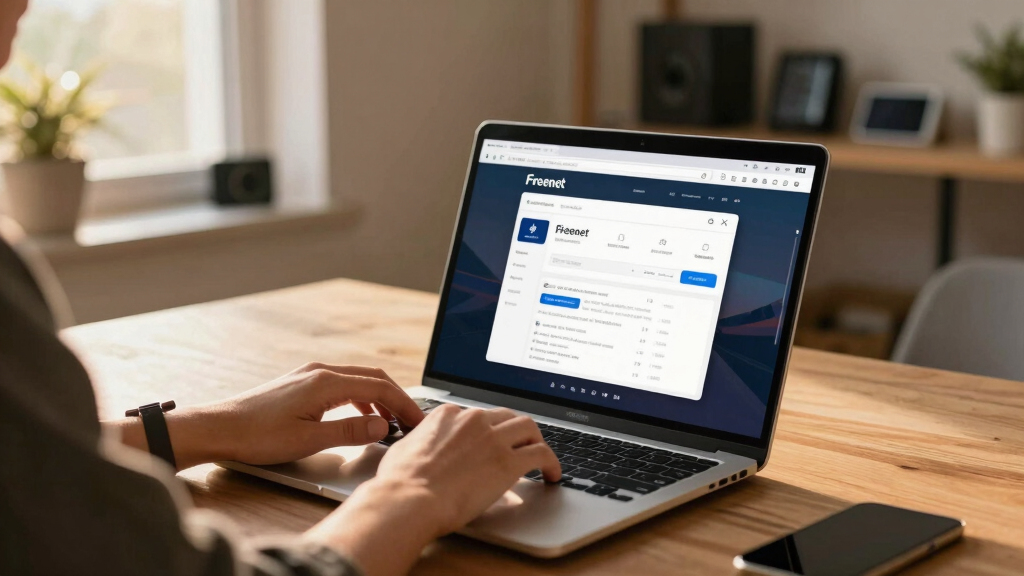
Freenet has announced a new peer-to-peer platform allowing developers to build decentralized applications that operate without servers or centralized control. Users can run apps in their browsers, enjoying increased privacy and censorship resistance.
Freenet has launched a new peer-to-peer platform that allows decentralized applications to operate without reliance on centralized servers or big tech infrastructure, marking a significant step toward a censorship-resistant internet.
Freenet’s platform creates a global network where peers form a small-world, location-organized ring, enabling messages and data to reach their destinations efficiently without centralized servers. The network scales to millions of peers, ensuring robustness and resilience. Applications built on Freenet run directly in users’ browsers, mimicking normal websites but with enhanced privacy features, such as being untraceable and resistant to takedown efforts. Developers can utilize familiar programming tools like Rust and TypeScript to deploy apps across this decentralized network, eliminating server costs and dependency on cloud providers. The project is maintained by a small team and funded through grants and donations, emphasizing its open-source, community-driven ethos.
Why It Matters
This development matters because it offers an alternative to centralized internet services controlled by major corporations. By enabling applications that cannot be easily censored or shut down, Freenet could empower activists, journalists, and privacy-conscious users. It also presents a new model for building resilient, censorship-resistant online infrastructure, which could influence future internet governance and technology standards.
As an affiliate, we earn on qualifying purchases.
Background
Freenet has been in development for several years as a decentralized communication network, but its recent announcement of a dedicated platform for decentralized apps marks a significant milestone. Unlike traditional peer-to-peer networks, Freenet organizes peers into a small-world ring based on location, optimizing message routing. The platform supports app development with familiar programming languages, aiming to lower barriers for adoption. The project is part of a broader movement toward decentralization, privacy, and resistance to censorship, gaining attention amid ongoing concerns about data privacy and corporate control over online spaces.
“Freenet’s platform creates a resilient, unstoppable network for decentralized apps that run in your browser, without reliance on servers or big tech.”
— Freenet team
“Developers can build apps using familiar tools like Rust and TypeScript, deploying directly to a global, censorship-resistant network.”
— Freenet developer
What Remains Unclear
It is still unclear how widely adopted the platform will become or how it will perform at scale in real-world scenarios. Details about security, moderation, and long-term sustainability are still emerging, and the project remains in early stages of deployment.
What’s Next
Next steps include further development of the platform’s features, onboarding of early developers, and user testing. Monitoring community feedback and real-world usage will determine how the platform evolves and whether it gains broader adoption.
Key Questions
How does Freenet differ from traditional internet hosting?
Freenet operates on a peer-to-peer network where apps run directly in users’ browsers without reliance on centralized servers, making them more resistant to censorship and takedown efforts.
Can I build my own decentralized app on Freenet?
Yes, developers can use familiar programming languages like Rust and TypeScript to build and deploy apps that run across the Freenet network.
Is Freenet secure and private?
According to the developers, apps on Freenet are designed to be untraceable and resistant to censorship, enhancing user privacy and security.
What are the main challenges facing Freenet’s platform?
Key uncertainties include scalability at large scale, security assurances, moderation mechanisms, and adoption by the wider developer and user communities.
Source: Hacker News
Columbus Day / Indigenous Peoples' Day Picks
long weekend sales
As an affiliate, we earn on qualifying purchases.