
Virtual influencers are reshaping how brands connect with audiences by providing controlled, innovative digital personalities that embody specific traits and values. You can see how brands use them for consistent messaging, engaging content, and cultural relevance, all while avoiding the unpredictability of human influencers. Their futuristic appeal sparks curiosity and trust, making interactions more immersive. If you want to understand how this trend is evolving and what it means for your interests, keep exploring further.

Get the latest gadgets delivered free — and shop member deals
- Fast, free delivery on millions of items
- Access to Prime Big Deal Days deals on October 6–7
- Prime Video, Amazon Music and more included
Key Takeaways
- Virtual influencers offer brands precise control over messaging and image, reducing unpredictability and aligning with target audience preferences.
- They foster consistent, engaging digital identities that build trust and familiarity with audiences across multiple platforms.
- Their innovative, digitally crafted content enhances brand originality and appeals to audiences interested in technological novelty.
- Virtual influencers mitigate risks of controversy, ensuring reliable campaign results and stronger brand loyalty.
- Their rise reflects a strategic shift towards controlled digital identities, blending artistry, science, and cultural relevance to engage audiences.
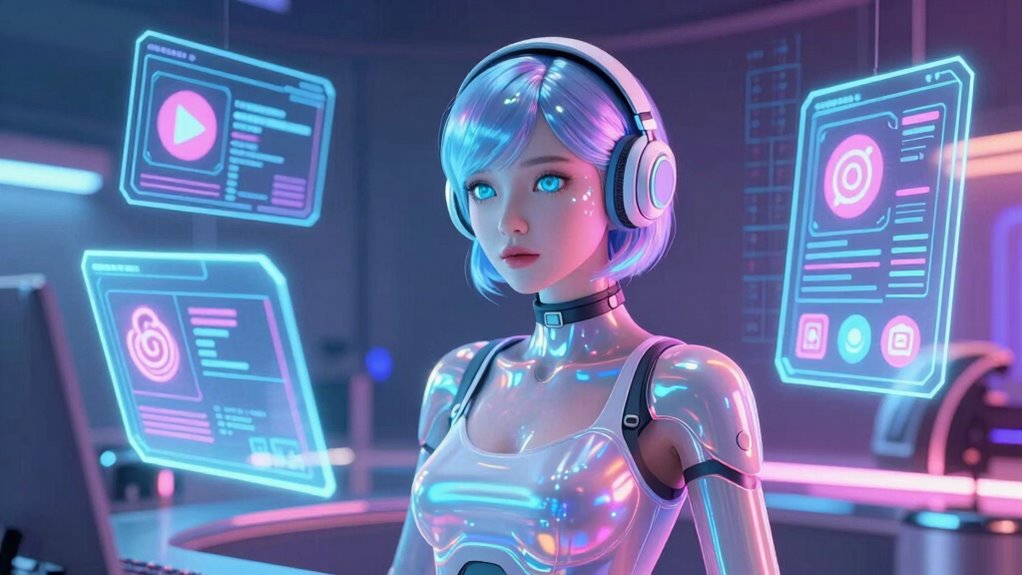
As social media continues to evolve, virtual influencers are gaining prominence, transforming the way brands and audiences connect. These computer-generated personalities aren’t just digital characters; they represent a carefully crafted digital identity designed to resonate with specific audiences. Unlike human influencers, virtual figures can be precisely controlled, allowing brands to shape their image and messaging without the unpredictability that comes with real people. This level of control makes them highly appealing for marketing campaigns aiming for consistency and clarity in brand voice. You might find yourself more engaged with these virtual personalities because they embody idealized traits or aesthetics that align with your preferences, creating a unique form of audience engagement. Their digital nature allows for seamless integration into various digital platforms, making them accessible and relatable to audiences who spend considerable time online.
Virtual influencers also excel at maintaining a consistent digital identity, which helps foster trust and familiarity among followers. Since they’re not bound by human limitations or emotions, they can be molded to embody specific brand values or trends, making them versatile ambassadors. For you, this means engaging with content that feels highly curated, sometimes even more authentic than traditional influencer posts because of the precision behind their creation. Brands leverage this to build a stronger connection with their target audience, often resulting in increased loyalty and interest. Additionally, virtual influencers can utilize caffeine science to create more engaging and dynamic content, such as virtual coffee tastings or brewing demonstrations. For you, this means experiencing innovative and immersive content that combines digital artistry with scientific insights. They also participate in campaigns, product launches, or social causes, aligning their digital identities with current cultural moments, which enhances your overall engagement. Moreover, the ability to control their narrative helps maintain a consistent and tailored message across multiple campaigns, further strengthening their influence. The use of advanced digital artistry techniques ensures that these virtual personalities remain visually appealing and engaging, further captivating audiences.
You also benefit from the novelty of virtual influencers. They introduce a futuristic element to your social media experience, sparking curiosity and encouraging interaction. Their consistency in appearance and messaging can lead to deeper engagement because they don’t face the inconsistencies or controversies that sometimes plague real influencers. For brands, this translates into reliable campaign results, as virtual influencers can deliver targeted messages without the risk of off-brand missteps. For you, it’s a way to connect with content that feels innovative and aligned with digital trends. Overall, the rise of virtual influencers signifies a shift in how digital identity is crafted and maintained, making audience engagement more strategic, controlled, and, in some cases, more compelling than ever before.
virtual influencer avatar creation software
As an affiliate, we earn on qualifying purchases.
As an affiliate, we earn on qualifying purchases.
Frequently Asked Questions
How Do Virtual Influencers Impact Traditional Influencer Marketing Strategies?
Virtual influencers impact traditional influencer marketing strategies by shifting focus toward authentic storytelling and brand authenticity. You might find yourself blending real and digital personalities to create engaging campaigns that resonate with audiences. These virtual figures offer control over messaging, ensuring consistency, while still connecting emotionally. As a result, you need to adapt your strategies to leverage the unique advantages of virtual influencers, emphasizing genuine narratives that build trust and strengthen brand authenticity.
Are Virtual Influencers More Cost-Effective Than Human Influencers?
Virtual influencers are often more cost-effective than human influencers because they eliminate expenses like travel, wardrobe, and scheduling conflicts. While some may argue they lack influencer authenticity, virtual characters can be precisely controlled to align with your digital branding. This control allows for consistent messaging and brand image, making virtual influencers a budget-friendly option that still resonates with audiences and maintains a strong, authentic presence online.
What Ethical Considerations Surround Virtual Influencer Creation?
You should consider ethical issues like authenticity challenges and creator transparency when creating virtual influencers. These digital entities can blur lines between real and artificial, potentially misleading audiences. It’s essential to clearly disclose that virtual influencers are AI-generated, maintaining transparency. Addressing these concerns helps build trust, ensures ethical standards, and prevents the spread of misinformation, ultimately safeguarding both your brand’s reputation and audience integrity.
How Do Audiences Perceive Virtual Influencers Compared to Real Ones?
You may perceive virtual influencers as less authentic and trustworthy compared to real ones, often questioning their genuineness. While some audiences appreciate their consistency and curated content, many worry about authenticity perception and trustworthiness concerns. You might find virtual influencers intriguing but still struggle to fully connect with them emotionally, as their digital nature can create a barrier to genuine human connection.
Can Virtual Influencers Develop Genuine Emotional Connections With Audiences?
You might wonder if virtual influencers can truly connect on a deep level. With authentic engagement and emotional authenticity, they can evoke feelings that mirror real connections. Like a flickering candle casting warm light, they create a sense of familiarity and trust. While their emotions are programmed, clever storytelling and relatable content help you feel understood, fostering genuine bonds that feel almost human despite their digital origin.
Conclusion
As virtual influencers become increasingly mainstream, you’ll find brands leveraging their unique appeal to engage audiences in innovative ways. Imagine a fashion brand partnering with an AI-created influencer who showcases sustainable styles, blending technology with ethics. This approach not only captures attention but also builds a modern, forward-thinking image. As you observe this trend, consider how virtual influencers might reshape your own interactions with brands, creating new opportunities for connection and brand loyalty in the digital age.
Fall Picks
fall essentials
As an affiliate, we earn on qualifying purchases.