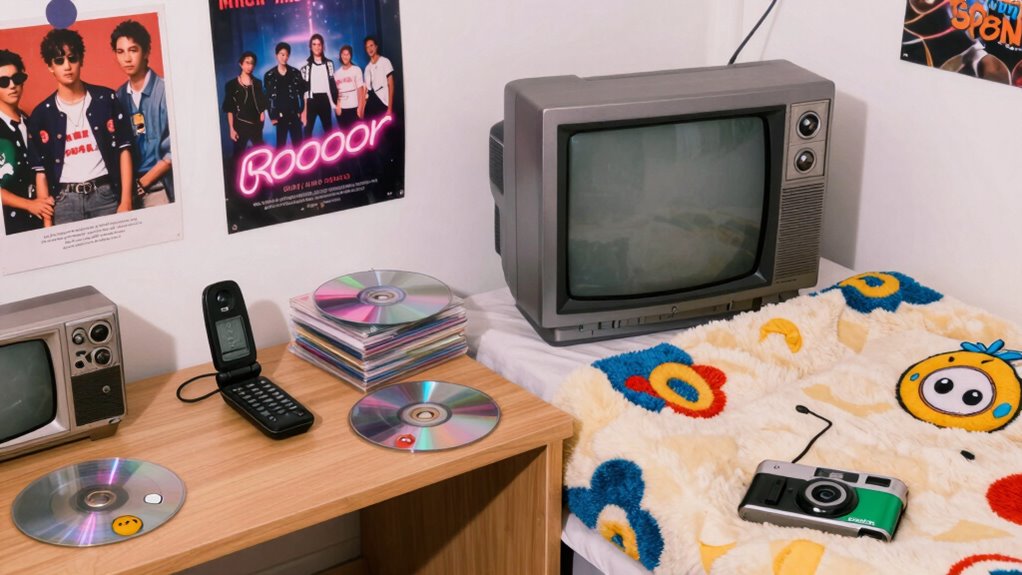

The 2000s keep returning because society loves revisiting the past through fashion, music, and trends driven by nostalgia. You see influences through social media, where influencers and platforms like TikTok revive old styles and sounds, making them feel fresh again. This cycle is fueled by shared cultural memories that connect different generations. As you explore further, you’ll discover how remixing past trends keeps the cycle alive and evolving over time.

Get the latest gadgets delivered free with Prime
- Fast, free delivery on millions of items
- Prime Video, Amazon Music and more included
- Member-only deals all year
Key Takeaways
- Media platforms like TikTok and Instagram amplify the rediscovery of 2000s styles and music, making them feel current.
- Nostalgia creates a sense of comfort and familiarity during uncertain societal times, fueling trend cycles.
- Cultural memory and shared experiences lead to repeated interest in past fashions, music, and trends.
- Trend cycles involve remixing and reinventing past styles for modern audiences, maintaining cultural relevance.
- Recurring trends reflect society’s cyclical nature, where past influences inspire contemporary fashion and music.
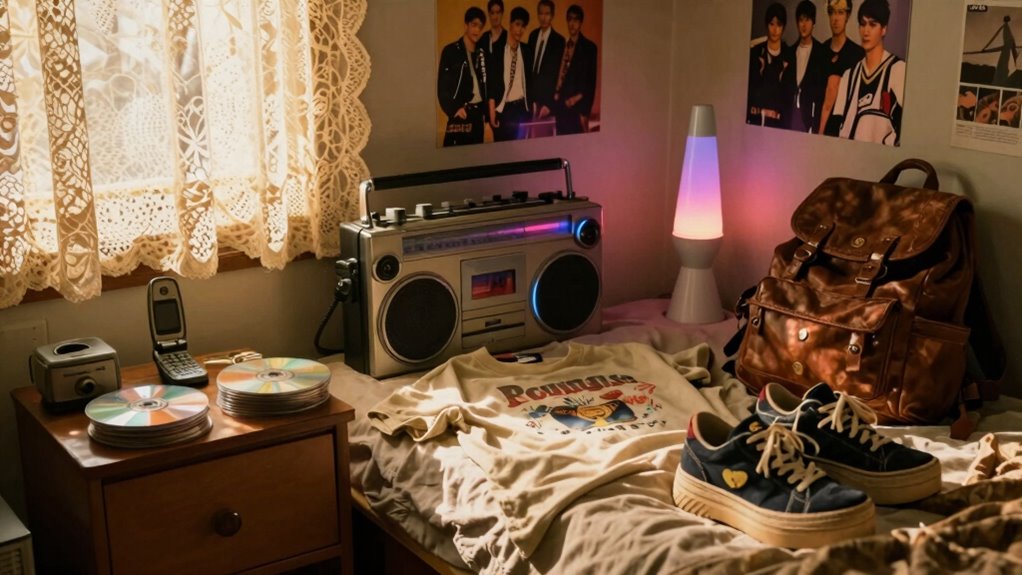
Have you ever noticed how certain styles, music, or trends seem to come back into fashion every few decades? It’s like the past keeps pulling itself forward, reappearing in new forms. This cycle is especially noticeable with the 2000s, which keep making a comeback in style and music. You might see it in the resurgence of low-rise jeans, graphic tees, and chunky sneakers—hallmarks of that era’s fashion revival. Music trends from the early 2000s, like pop-punk, emo, and even some hip-hop elements, are suddenly everywhere again. It’s as if the cultural energy of that time is echoing back, exciting a new generation while giving those who lived through it a nostalgic thrill.
This pattern isn’t accidental. Trends tend to cycle because they’re rooted in collective memory and cultural identity. When you see the 2000s reappear, it’s often driven by a desire for comfort and familiarity, especially during uncertain times. Fashion revival from that decade offered boldness and individuality—think frosted tips, velour tracksuits, or layered accessories—that now feels fresh yet familiar. It’s easier to embrace a style that’s already embedded in your consciousness, making it feel less risky and more fun. The same applies to music trends: the catchy hooks, rebellious attitude, and emotional lyrics from those years have a timeless quality that appeals to both nostalgic adults and curious newcomers.
You might also notice that these cycles are fueled by media and social platforms. TikTok, Instagram, and streaming services amplify the rediscovery of past styles and sounds, giving them a new life. When influencers wear 2000s-inspired outfits or cover songs from that era, it sparks curiosity and drives the trend forward. This creates a feedback loop where old becomes new again, and everyone wants a piece of the nostalgia. It’s a way for people to connect through shared cultural memories, even if they weren’t around the first time. Additionally, this cyclical pattern aligns with the broader concept of cultural memory, where societies revisit and reinterpret their histories through fashion, music, and media.
Ultimately, the return of 2000s fashion and music trends isn’t just about copying the past. It’s about remixing it, reinterpreting it for today’s world. The nostalgia cycles remind us that culture isn’t linear but cyclical, with each generation borrowing from the last, adding their own twist. So, next time you see a neon-colored accessory or hear a pop-punk anthem on the radio, remember: you’re part of a long-standing tradition of revisiting and reinventing the past.
Products Worth Considering

Apple iPad Pro 12.9-inch (2017), 512GB Wi-Fi, Space Gray

Samsung 49-Inch Odyssey G9 G91F Curved Dual QHD Gaming Monitor, 144Hz

Bose QuietComfort Wireless Noise Cancelling Headphones, Twilight Blue
As an affiliate, we earn on qualifying purchases.
Frequently Asked Questions
How Do Nostalgia Cycles Influence Modern Fashion Trends?
Nostalgia cycles influence your fashion choices by bringing back retro revivals and vintage influences, making certain styles feel fresh and relevant again. You often see 2000s trends reappear, driven by a desire for authenticity and a connection to the past. This cyclical pattern encourages you to experiment with nostalgic pieces, blending old-school elements with modern fashion, keeping your wardrobe dynamic and meaningful.
Are Nostalgia Cycles Predictable or Random?
Nostalgia cycles are somewhat predictable because cultural reinforcement and emotional triggers consistently draw us back to familiar eras. These cycles often follow patterns influenced by societal events, media, and shared experiences, making them easier to anticipate. However, individual perceptions and unique cultural moments can introduce variability, so while there’s a general tendency for nostalgia to recur, some aspects remain more spontaneous than strictly random.
What Role Does Technology Play in Nostalgia Resurgence?
You might be surprised to learn that 72% of people say technology fuels their nostalgia. Tech influence plays a huge role in the digital revival, making 2000s trends easily accessible and shareable. Social media platforms revive old music, fashion, and gadgets, creating a cycle that keeps these memories alive. Technology acts as a bridge, reconnecting you with the past and amplifying nostalgia in ways never possible before.
How Do Childhood Memories Impact Nostalgia for the 2000S?
Childhood memories shape your nostalgia for the 2000s by creating strong emotional associations. When you recall specific moments, toys, or shows from that time, they evoke feelings of innocence, joy, and comfort. These emotional connections make you long for those simpler days, reinforcing your desire to revisit the era. Your subconscious links these memories to happiness, fueling your nostalgia and making the 2000s feel especially meaningful and familiar.
Can Nostalgia Cycles Affect Societal Attitudes Long-Term?
You might find that nostalgia cycles influence societal attitudes long-term, especially since studies show 75% of people feel more connected to their community through shared memories. These cycles foster cultural reinforcement and shape collective memory, impacting values and trends. When you celebrate past eras like the 2000s, you contribute to a lasting cultural narrative that influences future perspectives, identity, and social norms over time.
Conclusion
So, here you are, caught in the whirl of nostalgia, thinking the 2000s will stay gone forever. But isn’t it amusing how you keep craving those same trends, music, and styles? It’s almost like the past has a magnetic pull, refusing to stay dead. Ironically, no matter how much you try to move forward, the 2000s keep sneaking back, proving that some trends are just too irresistible to truly let go.