

Retrieval-augmented generation, or RAG, works by combining a language model’s knowledge with external sources like databases or documents. When you ask a question, RAG breaks it down and searches for relevant information outside its internal data. It then merges this data with what it already knows to create a more accurate and current answer. If you keep exploring, you’ll discover how this process makes responses smarter and more reliable.
Key Takeaways
- RAG combines internal knowledge with external data to improve answer accuracy.
- It breaks down questions to find relevant information from large external sources.
- The retrieved data is merged with existing knowledge to create a detailed response.
- RAG uses real-time data to keep answers current, especially in fast-changing fields.
- This process ensures responses are more accurate, relevant, and context-aware.

Imagine a smart system that can answer your questions more accurately by combining its own knowledge with information from external sources. That’s fundamentally how Retrieval-Augmented Generation, or RAG, works. It’s a way for AI to improve its responses by not just relying on what it already knows but also by actively searching for new, relevant information. This process is called context integration because the system brings in external data to better understand the question and craft a more precise answer. It’s like having a conversation where your AI partner looks up facts or details in real-time, making its replies richer and more accurate.
When you ask a question, the RAG system first breaks down what you’re asking and searches a large database or document collection. This step is vital for knowledge enhancement because it allows the system to find specific information that it might not have stored internally. Instead of trying to recall every fact from memory, it fetches relevant pieces of data that can help answer your query more thoroughly. Once it retrieves this information, the system combines it with its original understanding of the question. This fusion of retrieved data and existing knowledge results in a more context-aware response that’s tailored specifically to what you want to know. Additionally, external information plays a crucial role in keeping responses current and accurate, especially when combined with knowledge retrieval techniques that ensure the most recent data is used. This up-to-date data is essential for fields where information evolves rapidly, ensuring the AI’s responses remain relevant. Incorporating real-time data allows the AI to stay current with ongoing changes and developments, making its answers even more reliable.
The magic of RAG is in how it seamlessly integrates external information into the generation process. After fetching relevant data, the system uses a language model to synthesize an answer, blending what it retrieved with its training knowledge. So, the response isn’t just a generic reply; it’s an informed, context-rich answer that considers the latest or most specific facts. This process guarantees that your AI answers are not only accurate but also up-to-date, especially in fields where information changes rapidly.

Database Systems: Introduction to Databases and Data Warehouses, Edition 2.0
As an affiliate, we earn on qualifying purchases.
As an affiliate, we earn on qualifying purchases.
Frequently Asked Questions
How Does RAG Differ From Traditional Language Models?
You’ll find that RAG differs from traditional language models because it relies on external context, like a search database, instead of just its pre-trained knowledge. This means RAG can update its responses with new information quickly, making it more adaptable. Traditional models depend solely on what they’ve already learned, so they might be less accurate for recent events or specialized topics. RAG’s approach enhances knowledge updating and context reliance.
Can RAG Be Used for Real-Time Information Retrieval?
Yes, RAG can be used for real-time information retrieval. You can design it to fetch dynamic data and provide real-time updates, making it ideal for applications like news summaries or live event coverage. By integrating constantly refreshed sources, RAG adapts quickly to new information, ensuring your outputs stay current. This makes it a powerful tool for scenarios where staying up-to-date with real-time data is essential.
What Types of Data Sources Do RAG Systems Access?
You access various data sources with RAG systems, including knowledge databases that store structured information and multimedia sources like images, videos, and audio. These systems retrieve relevant data from these sources in real time to generate informed responses. By tapping into diverse data types, RAG enhances its ability to provide accurate, up-to-date answers, making it versatile for different applications that require rich, contextual information.
How Does RAG Handle Outdated or Incorrect Information?
Think of RAG as a vigilant librarian, constantly cross-checking facts to keep information accurate. When it encounters outdated or incorrect data, it employs fact verification techniques, comparing multiple sources to spot discrepancies. If the info’s wrong, the system updates its knowledge, ensuring data accuracy. This way, you get reliable, up-to-date responses, even if the initial data was a bit off.
Is RAG Suitable for All Languages and Domains?
RAG isn’t suitable for all languages and domains. Its multilingual capabilities depend on the quality and size of the training data for each language, which can vary. Similarly, domain adaptability relies on having relevant, up-to-date retrieval data. If the data is limited or outdated, RAG’s effectiveness decreases. So, for niche or less-represented languages and specialized domains, its performance might not meet expectations.
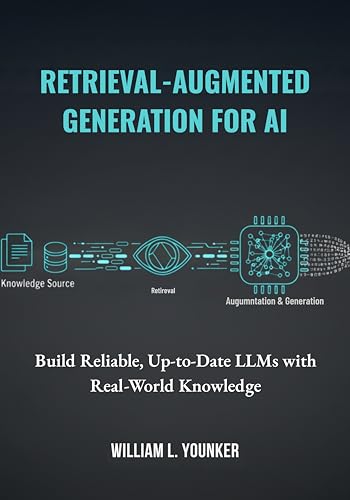
Retrieval-Augmented Generation for AI: Build Reliable, Up-to-Date LLMs with Real-World Knowledge
As an affiliate, we earn on qualifying purchases.
As an affiliate, we earn on qualifying purchases.
Conclusion
So, as you’ve seen, RAG cleverly combines your questions with existing knowledge, pulling in relevant info just when you need it. It’s almost like having a conversation with a friend who remembers everything you’ve ever discussed. Funny how, in a way, this blend of retrieval and generation mirrors life—sometimes, the answers we seek arrive unexpectedly, from sources we didn’t even know we needed. It’s a reminder that knowledge often finds us when we least expect it.

Building Data Integration Solutions: Design data pipelines, connect systems, deliver insights, and empower business transformation (English Edition)
As an affiliate, we earn on qualifying purchases.
As an affiliate, we earn on qualifying purchases.

FancyDove AI Assistant Device Powered by ChatGPT, No Subscription Needed, Standalone AI Chatbot Translator, AI Tutor for Learning, Writing & Homework, Portable AI Gadget for Students & Travel Black
No Subscription & Lifetime Access – Pay Once, Use AI Forever: Enjoy powerful AI chat, writing, translation, and…
As an affiliate, we earn on qualifying purchases.
As an affiliate, we earn on qualifying purchases.