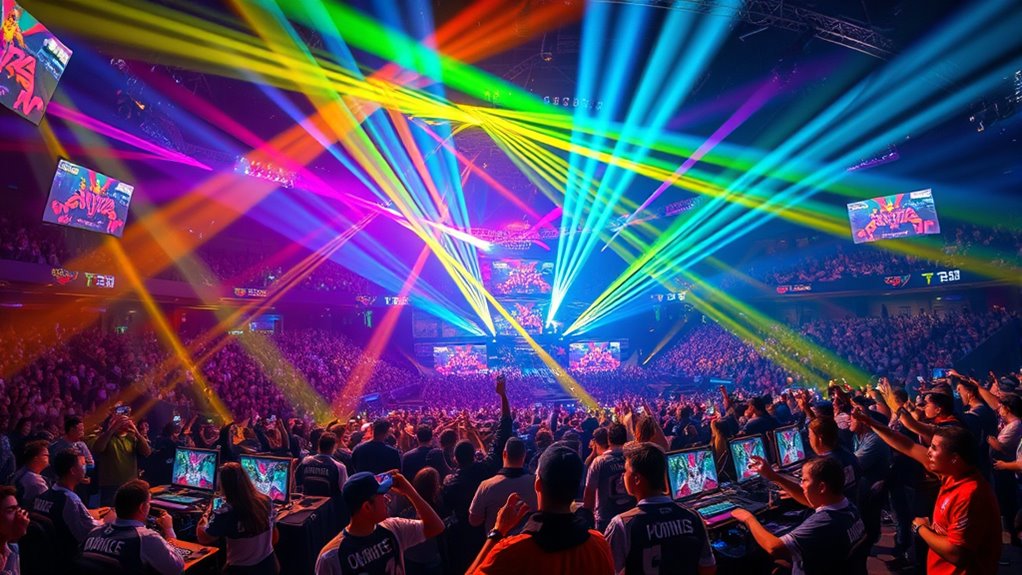

E-sports has rapidly grown from a small gaming niche into a global industry with huge mainstream appeal. Millions watch and participate, bringing new excitement and opportunities. However, as it expands, concerns about health issues, sponsorship ethics, and responsible marketing also increase. Industry efforts are ongoing to address these challenges while maintaining growth. If you keep exploring, you’ll discover how these factors shape the evolving landscape of e-sports today.
Key Takeaways
- E-sports has transformed from a small hobby into a global industry attracting millions of viewers and players.
- Growing mainstream acceptance has led to increased sponsorship, media coverage, and recognition as a legitimate sport.
- Industry expansion raises health concerns, prompting efforts to promote healthier gaming habits and address addiction risks.
- Sponsorship controversies involving alcohol and energy drinks raise ethical questions about marketing to young audiences.
- Ongoing regulation and responsible marketing are essential for sustainable growth and addressing health and ethical challenges.

Over the past decade, e-sports has transformed from a small, niche activity into a global phenomenon that attracts millions of viewers and players worldwide. This rapid growth has brought excitement and opportunities but also raised important concerns. As you follow the rise of competitive gaming, you might notice how some players struggle with gaming addiction. The intense dedication and long hours required to compete at the highest level can lead to unhealthy habits. Many gamers find themselves losing track of time, neglecting sleep, and sacrificing other aspects of their lives. While passion fuels their drive, it can sometimes spiral into dependency, affecting mental health and personal relationships. Recognizing these risks is *essential* as e-sports becomes more mainstream, and organizations begin to implement measures to promote healthier gaming habits.
In addition to health concerns, sponsorship controversies have also come to the forefront. As brands see the lucrative potential of e-sports, they pour money into teams, tournaments, and players, but not without controversy. Some sponsorship deals raise eyebrows because of the companies involved or the products they promote. For instance, alcohol and energy drink sponsorships often spark debate about targeting young audiences and encouraging risky behaviors. Critics argue that these sponsorships can normalize unhealthy lifestyles, blurring the line between entertainment and exploitation. *Furthermore*, there have been instances where sponsorship agreements have led to ethical questions about transparency and influence, especially when it comes to advertising to impressionable viewers. Additionally, understanding the role of sound vibrations in sound healing science reveals how sound therapy can influence mental states, which is relevant when considering the mental health challenges faced by gamers. These controversies highlight the need for stricter regulations and more responsible marketing practices within the industry.
As you observe the evolving landscape of e-sports, you’ll see how these issues intersect with its growth. The industry is trying to balance commercial interests with the well-being of players and viewers. Efforts are underway to promote responsible gaming, with some tournaments banning certain sponsorships or providing resources for mental health support. Yet, challenges remain as the industry continues to expand rapidly. You might also notice how these debates influence public perception, shaping whether e-sports is seen as a legitimate sport or just a fleeting trend. Ultimately, understanding these complexities is *imperative* as you navigate the world of competitive gaming, recognizing both its incredible potential and its underlying issues.
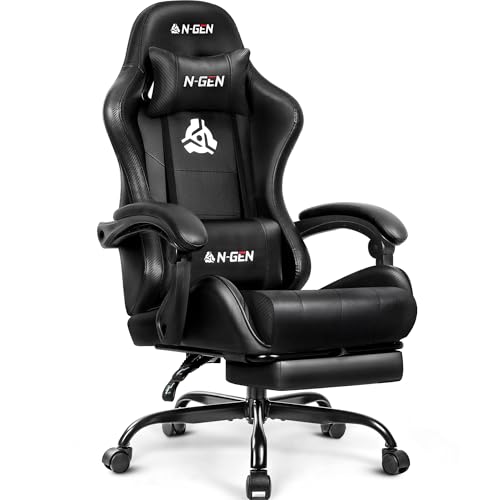
N-GEN GAMING Video Gaming Chair with Footrest Lumbar Support for Home Office High Back Recliner Height Adjustable Ergonomic Comfy Leather Computer Desk Chair (Black)
Racing Style for Long Sessions – High-back gaming chair with ergonomic racing design, ideal for long hours at…
As an affiliate, we earn on qualifying purchases.
As an affiliate, we earn on qualifying purchases.
Frequently Asked Questions
How Do E-Sports Organizations Generate Revenue Beyond Sponsorships?
You can generate revenue through e-sports organizations beyond sponsorships by selling merchandise like apparel and accessories, which fans love. Additionally, media rights play a big role; you can license tournament broadcasts to streaming platforms or TV networks for a fee. These strategies diversify your income streams, helping your organization grow financially and reach wider audiences, ensuring long-term success in the competitive e-sports industry.
What Are the Most Popular Games in Current E-Sports Tournaments?
You’ll notice that games like League of Legends, Fortnite, and Valorant dominate current e-sports tournaments. These games captivate audiences through engaging game strategies, intense competition, and dynamic player psychology. Their popularity stems from strategic depth, quick reflexes, and the mental resilience of players. As a viewer, you’ll appreciate how these elements create thrilling matches, keeping fans engaged and driving the growth of the e-sports industry worldwide.
How Are E-Sports Athletes Training Compared to Traditional Athletes?
You train like traditional athletes by combining mental conditioning and physical fitness. You focus on improving your reaction time, strategic thinking, and hand-eye coordination through drills and practice sessions. You also incorporate physical fitness routines to boost endurance, reduce stress, and maintain overall health. This balanced approach helps you stay sharp during intense matches and build resilience, just like athletes in physical sports.
What Are the Legal and Ethical Issues Faced by E-Sports Competitors?
You face legal and ethical issues like cheating scandals that threaten your reputation and career. Player contracts are often ambiguous, leaving room for disputes and exploitation. These challenges create tension between integrity and ambition, forcing you to navigate complex rules and moral dilemmas. Every decision can impact your future, making it essential to stay transparent and uphold fair play, or risk losing everything you’ve worked for.
How Is Viewership Growth Impacting Local Economies Worldwide?
You’ll see viewership growth boost local economies worldwide by increasing demand for local businesses and tourism. As more fans tune in, they visit host cities for tournaments, filling hotels, dining out, and shopping. This tourism growth benefits local vendors and creates jobs, while increased exposure helps promote the area globally. Your community can capitalize on this trend by supporting events, attracting visitors, and fostering a vibrant e-sports scene.
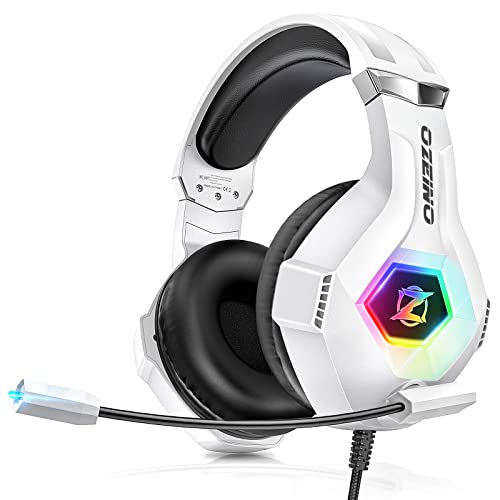
Ozeino Gaming Headset for PC, Ps4, Ps5, Xbox Headset with 7.1 Surround Sound Gaming Headphones with Noise Canceling Mic, LED Light Over Ear Headphones for Switch, Xbox Series X/S, Laptop, Mobile White
Superb 7.1 Surround Sound: This gaming headset delivering stereo surround sound for realistic audio. Whether you're in a…
As an affiliate, we earn on qualifying purchases.
As an affiliate, we earn on qualifying purchases.
Conclusion
Now that you’ve seen how e‑sports has skyrocketed from niche hobby to global phenomenon, it’s clear this isn’t just a passing trend. Imagine a world where millions cheer for their favorite teams, where gaming becomes a new kind of sportsmanship. Don’t just watch from the sidelines—join the revolution. E‑sports is here to stay, and you’re invited to be part of this exciting future. Will you step up and embrace the game?

SANSUI 32 Inch Curved 240Hz Gaming Monitor High Refresh Rate, FHD 1080P Gaming PC Monitor HDMI DP1.4, Curved 1500R, 1Ms MPRT, HDR,Metal Stand,VESA Compatible(DP Cable Incl.)
32 Inch curved 1500R gaming monitor, 240Hz high refresh rate for gameplay
As an affiliate, we earn on qualifying purchases.
As an affiliate, we earn on qualifying purchases.
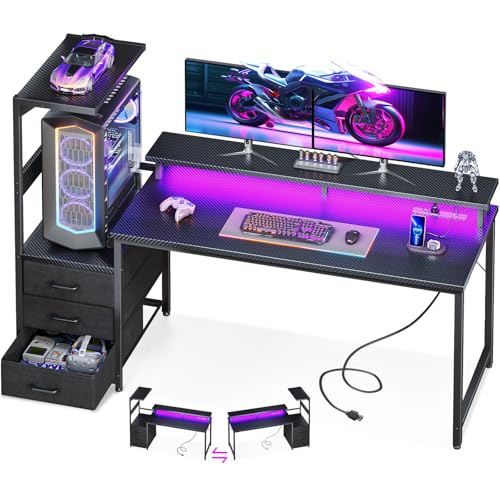
AODK 59 Inch Gaming Desk with USB Charging Ports & LED Light- Reversible Computer Desk with Storage Shelves & Monitor Stand, Modern Gamer Desk Table with Fabric Drawers & Side Hook, Carbon Fiber Black
DESIGNED FOR PANORAMIC "FISH TANK" CASES: Unlike standard desks that hide your rig, our exclusive elevated desktop stand…
As an affiliate, we earn on qualifying purchases.
As an affiliate, we earn on qualifying purchases.