

Investing in cryptocurrencies for the long term offers high rewards, like potential exponential growth and diversification benefits, but also involves significant risks. Market volatility can cause rapid price swings, and security threats like hacking and scams pose threats to your holdings. Regulatory uncertainties add another layer of difficulty, making valuation challenging without traditional models. Understanding these risks and opportunities is key—continue exploring, and you’ll discover how to navigate the evolving crypto landscape effectively.

Get the latest gadgets delivered free — and shop member deals
- Fast, free delivery on millions of items
- Access to Prime Big Deal Days deals on October 6–7
- Prime Video, Amazon Music and more included
Key Takeaways
- Long-term crypto investing offers potential high returns through growth, adoption, and technological innovation, but requires patience and strategic planning.
- Market volatility and security threats pose significant risks, including hacking, scams, and regulatory uncertainties that can impact investment value.
- Proper diversification across different assets and projects helps mitigate risks inherent in the highly volatile crypto market.
- Lack of standardized valuation models makes assessing long-term worth challenging, requiring thorough research and risk management.
- Regulatory developments and legal frameworks influence market stability and investor confidence, shaping the long-term outlook for cryptocurrencies.
As an affiliate, we earn on qualifying purchases.
Understanding Cryptocurrency Market Dynamics

To understand cryptocurrency market dynamics, you need to recognize how various factors influence prices and trading activity. Supply and demand are fundamental—if demand outpaces supply, prices rise; if supply exceeds demand, prices fall. Market Fundamentals, such as tokenomics and supply mechanisms, heavily impact these movements. Scarcity effects, like Bitcoin’s capped supply, help maintain value and create upward pressure. Market sentiment, driven by investor attitudes and trends, can quickly sway demand, causing rapid price movements. Regulatory influences also matter; government policies can either boost confidence or introduce uncertainty, affecting overall demand. Additionally, adoption rates play a critical role—more users adopting a cryptocurrency typically increase demand and potentially drive prices higher. Recognizing how public perception influences market trends is essential for understanding short-term fluctuations. The presence of eye patches in the market has also been used metaphorically to describe how investors focus on specific signals or trends, impacting trading behavior. Understanding these market factors helps investors make more informed decisions amidst volatile conditions, especially considering the evolving landscape of Kia Tuning modifications that influence vehicle performance and appeal. Furthermore, technological advancements within blockchain infrastructure can also significantly impact market stability and growth.
Assessing the Risks of Volatility and Security Threats

While understanding market dynamics helps you grasp what drives cryptocurrency prices, it’s equally important to recognize the risks posed by volatility and security threats. Cryptocurrency markets, especially Bitcoin, are highly volatile, with large price swings happening quickly. Although recent trends show some stabilization, high volatility still presents significant risks, leading to potential gains or losses that can impact your investment decisions. Bitcoin’s volatility has been declining and is expected to continue decreasing, which may provide some relief but does not eliminate the inherent risks associated with rapid market movements. Security threats, like hacking and fraud, are major concerns, causing financial losses and eroding trust. These risks can trigger liquidity crises and damage platform reputations. Security breaches and technological vulnerabilities heighten investor anxiety and hinder adoption. To navigate these risks, use analytical tools like the Sharpe and Sortino ratios, which help measure risk-adjusted returns and market fluctuations, giving you better insights into managing your crypto investments. Additionally, ongoing advancements in AI Security are vital for protecting digital assets and enhancing trust in crypto platforms. Understanding the importance of blockchain transparency can also help investors identify trustworthy platforms and reduce exposure to fraud.
Navigating Regulatory Uncertainty and Legal Challenges

Managing regulatory ambiguity and legal challenges is essential for anyone involved in cryptocurrency investments, as the global landscape remains fragmented and constantly evolving. Regulations differ widely across countries, making it difficult to navigate compliance and assess risks accurately. Current State of Crypto Regulations Some nations support innovation, while others impose strict rules, creating uncertainty that impacts investor confidence and market stability. Recent shifts, like the U.S. SEC’s more favorable stance and formation of new enforcement task forces, influence global trends but add complexity. Legal challenges, especially around securities classification and international jurisdiction issues, require you to stay alert and adaptable. Engaging with legal experts, monitoring regulatory developments, and proactively communicating with regulators help you manage risks effectively. Staying informed allows you to make smarter, more resilient long-term investment decisions amidst evolving rules. Additionally, understanding the regulatory environment can help you anticipate future changes and position your investments accordingly. Recognizing how cybersecurity vulnerabilities can impact cryptocurrency platforms underscores the importance of security measures in safeguarding investments. Building a comprehensive understanding of regulatory compliance can further support you in navigating the complex legal landscape. Moreover, fostering awareness of international legal differences can assist in developing strategies for cross-border investments and risk mitigation. Being aware of emerging technological developments can also give you an edge in adapting to regulatory changes and maintaining compliance.
Recognizing the Absence of Traditional Valuation Models

Charting the regulatory landscape is complex enough without the added challenge of valuing cryptocurrencies accurately. Unlike traditional assets, cryptocurrencies lack standardized valuation methods, making consistent assessment difficult. You won’t find financial statements like profits or cash flows to guide your analysis, and the absence of a centralized marketplace adds to the complexity. Different token types and evolving business models mean no one-size-fits-all approach works. Market volatility, driven by news and expectations, further complicates valuation efforts. Existing methods often rely on market caps, active addresses, or network effects, but these are imperfect indicators. Without clear, trusted valuation frameworks, it’s hard to determine true worth, increasing uncertainty and risk for long-term investors. The lack of authoritative guidance is a significant factor contributing to the difficulty in establishing reliable valuation models. Recognizing this gap is essential for making informed decisions, especially given the rapid evolution of blockchain technology that continuously reshapes how value is perceived and measured. Additionally, the absence of standardized valuation models hampers investors’ ability to compare assets accurately across different cryptocurrencies. Furthermore, the diverse nature of crypto assets complicates efforts to develop a universally applicable valuation approach.
Identifying Common Scams and Fraud Risks

Cryptocurrency scams exploit various communication channels to target victims directly or indirectly. scammers often use social media messages, fake ads, or dating profiles to build trust and lure you into investing. They may also approach you through deceptive job postings promising crypto involvement. Crypto scams, known as pig butchering, cost consumers billions of dollars. Watch out for red flags like guaranteed high returns with little risk, fake websites claiming proprietary systems, or fake screenshots showing fake profits. These platforms are controlled by fraudsters and lack real assets. Scammers ask for payments in Bitcoin, Ether, or stablecoins, often demanding more funds to “release” your investments or pay fake taxes. After you send money, they cut off contact, then reappear as regulators or recovery agents, trying to scam you again. Staying alert helps you spot these common fraud tactics. Being aware of security vulnerabilities in digital assets can also help you better protect your investments from such scams. Additionally, understanding the holistic approaches to health and wellness can help you stay balanced and less vulnerable to stress-induced scams. Recognizing common online scam tactics further enhances your ability to defend yourself against potential threats. Familiarity with headphone types and troubleshooting can also improve your overall digital security practices, as scammers often exploit technical vulnerabilities to access personal information. Developing knowledge of sound healing science can provide insights into authentic practices and help you distinguish legitimate services from fraudulent schemes.
Exploring the Potential Rewards and High Return Opportunities

Investing in cryptocurrencies offers the potential for high rewards, especially when you capitalize on early opportunities and market growth. If you get in early, successful projects can deliver exponential returns, turning modest investments into life-changing sums.
Long-term holding of strong assets can generate significant appreciation over time. You can also earn passive income through staking, with rewards reaching up to 14%, increasing your earnings without active trading. Understanding market volatility and how it influences price swings is crucial for long-term investors.
Participating in innovative blockchain projects can lead to substantial gains, as groundbreaking use cases often disrupt industries. The high market volatility creates opportunities for rapid price increases, rewarding early adopters.
Supporting new technologies not only offers financial upside but also allows you to be part of cutting-edge advancements shaping the future of finance and industry. Additionally, understanding the volatility inherent in crypto markets can help you develop strategies to manage risks and optimize returns.
Leveraging Diversification and Innovation for Growth

To maximize growth potential in your crypto portfolio, leveraging diversification and embracing innovation are essential strategies.
By spreading investments across various cryptocurrencies, you reduce exposure to market volatility and specific project risks. Sector diversification, such as including privacy coins or gaming tokens, taps into different industry trends. Asset class diversification, combining stablecoins with major cryptocurrencies like Bitcoin and Ethereum, balances stability and growth.
Diversify across cryptocurrencies, sectors, and asset classes to reduce risks and enhance growth potential.
Incorporating both long-term holdings and short-term trades helps manage risk effectively. Additionally, investing in cryptocurrencies from different regions mitigates geopolitical risks.
Embracing innovation, like blockchain advancements, decentralized applications, NFTs, and new financial products, fuels growth opportunities. Staying informed about regulatory developments and emerging technologies guarantees your portfolio adapts to evolving market conditions and maximizes long-term potential.
Implementing Strategies for Long-Term Investment Success

Achieving long-term success in crypto requires implementing proven strategies that help you navigate market fluctuations and maximize growth.
Dollar Cost Averaging (DCA) allows you to invest fixed amounts regularly, smoothing out volatility and reducing the risk of buying at peaks.
HODLing involves holding assets for years, trusting in their long-term appreciation.
Staking offers passive income by validating transactions in Proof of Stake cryptocurrencies, boosting your holdings over time.
Researching fundamentals—technology, adoption, community—helps identify promising projects.
Effective risk management means setting investment limits to protect your finances.
Staying adaptable, understanding market cycles, and being prepared to adjust your approach are essential.
Combining these strategies creates a resilient framework for sustaining growth and weathering market swings over the long haul.
Examining the Impact of Regulatory Policies on Market Stability
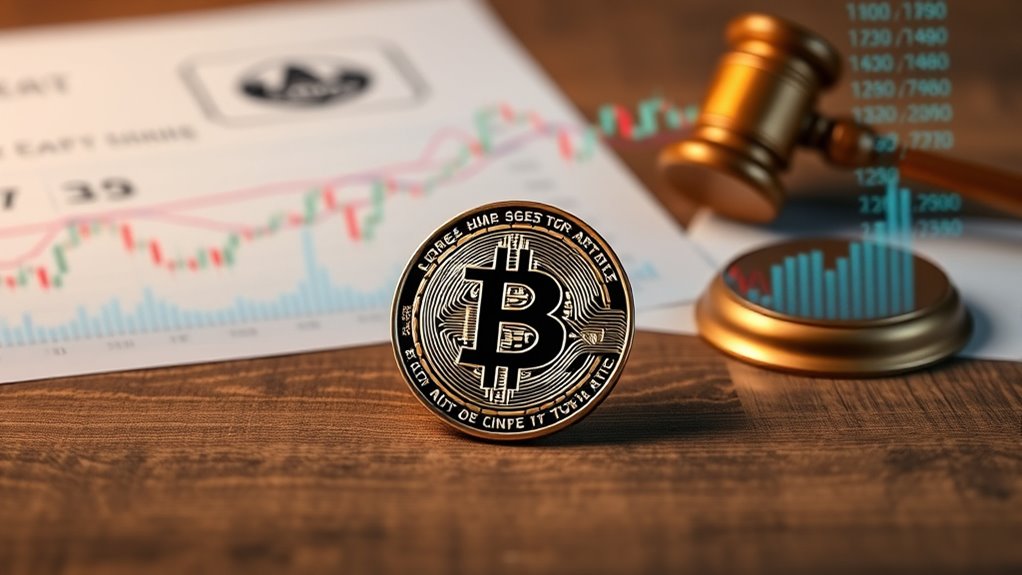
Regulatory policies play a crucial role in shaping the stability of the crypto market by establishing clear rules and safeguards. They help prevent market manipulation and reduce systemic risks, especially as crypto connects more with traditional finance.
The Financial Stability Board (FSB) has issued recommendations to ensure sound governance and address risks from stablecoins. These frameworks aim to curb high volatility and promote confidence among investors.
Regulations also protect users by enforcing transparency, security measures, and KYC/AML standards, which combat fraud and illicit activities. International coordination enhances enforcement and trust.
When regulations are clear and consistent, they foster a stable environment that encourages broader adoption, attracts institutional investors, and helps maintain financial stability, ultimately supporting long-term growth in the crypto space.
Anticipating Future Trends and Emerging Technologies

Anticipating future trends in the cryptocurrency market reveals a landscape shaped by rapid technological advancements and increasing institutional involvement. You can expect the market to grow markedly, reaching $5 billion by 2030, up from $2.1 billion in 2024.
AI integration with blockchain will boost efficiency and adoption, potentially sparking a bull run. Central banks are shifting focus toward wholesale digital currencies, improving settlement capabilities for institutions.
Blockchain innovations will enable faster, more transparent transactions, while AI-driven projects enhance risk management. Digital wallets will become more essential, easing access to cryptocurrencies.
Trends like DeFi and NFTs will continue expanding, and interoperability between platforms will strengthen market stability. Staying aware of these emerging technologies helps you better anticipate market shifts and long-term investment opportunities.
Frequently Asked Questions
How Do I Choose Which Cryptocurrencies to Invest in Long-Term?
When choosing cryptocurrencies for the long term, focus on established coins like Bitcoin and Ethereum with large market caps.
Look for ones with solid use cases, clear future plans, and strong communities.
Diversify your investments to manage risk, and stay informed about market trends, news, and regulatory changes.
Use technical analysis and set long-term goals to guide your decisions, ensuring you’re making informed choices aligned with your risk tolerance.
What Are the Tax Implications of Holding Cryptocurrencies Long-Term?
When you hold cryptocurrencies long-term, you’ll face specific tax implications. If you keep them for over a year, you’ll pay long-term capital gains tax, which ranges from 0% to 20% based on your income.
Make certain to report all transactions accurately using IRS forms like 8949 and Schedule D. Staying organized helps you avoid penalties and ensures you pay the correct taxes on your gains.
How Can I Securely Store My Cryptocurrency Investments?
When thinking about securely storing your crypto investments, you need to pick the right method. For large, long-term holdings, hardware wallets like Ledger Nano X or Trezor provide offline security, keeping private keys safe from online threats.
Use paper wallets for offline backups, but store them securely.
Avoid keeping all assets on exchange platforms to reduce hacking risks.
Combining these strategies guarantees your crypto stays safe from theft or damage.
What Indicators Suggest a Good Entry Point for Long-Term Investing?
Think of market signals like a lighthouse guiding ships safely to harbor. When moving averages show stabilization, RSI hits oversold levels, and support levels hold, it’s a good sign to contemplate entering.
Increased trading volume and whale activity indicate strong institutional interest.
If macro indicators like declining Bitcoin dominance and extreme fear are present, these signals together suggest it’s a promising long-term entry point, but always do your own research.
How Do Macroeconomic Factors Influence Cryptocurrency Markets Long-Term?
Macroeconomic factors shape crypto markets over the long term by impacting investor sentiment and liquidity.
When interest rates are low and monetary policy is loose, you see more risk appetite, boosting crypto investments.
Conversely, rate hikes and quantitative tightening reduce liquidity, making it harder for you to invest.
Inflation concerns and fiat devaluations can drive you toward cryptocurrencies as a hedge.
Meanwhile, recession fears may increase demand for alternative assets like crypto.
Conclusion
While cryptocurrency offers exciting possibilities, it’s wise to approach it with a gentle curiosity. By understanding the subtle shifts in market dynamics and staying mindful of hidden risks, you can navigate its evolving landscape with confidence. Embrace diversification and innovative strategies as your guiding stars, and remain adaptable to future trends. With patience and careful attention, you can potentially discover rewarding opportunities while gracefully sidestepping the more turbulent waters.
Evergreen bestsellers Picks
bestsellers
As an affiliate, we earn on qualifying purchases.