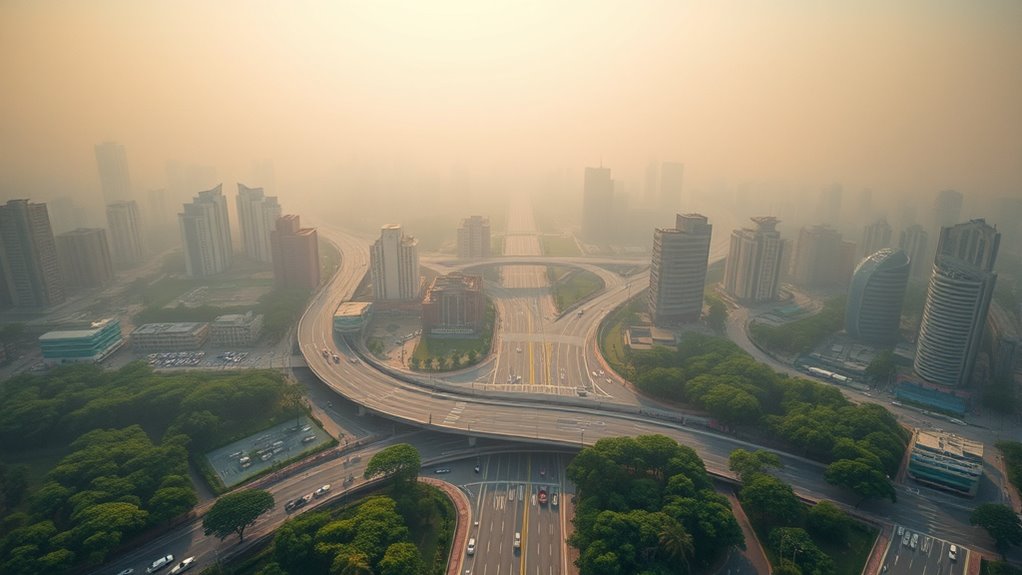

Climate change poses serious health risks that affect you directly, from rising infectious disease rates like malaria and dengue to worsened air quality causing respiratory problems. Extreme weather events can lead to injuries, water contamination, and food shortages, especially impacting vulnerable groups. Healthcare systems are strained as demand for services increases. To protect yourself and your community, understanding how climate change intersects with health is key—and there’s more to explore on how solutions can help.
Key Takeaways
- Climate change increases infectious diseases, worsens air quality, and causes extreme weather events that threaten global health.
- Vulnerable populations face disproportionate health risks from climate-related hazards like floods and heatwaves.
- Rising temperatures expand habitats for disease vectors, leading to increased cases of malaria, dengue, and Zika virus.
- Healthcare systems are strained by climate-induced injuries, disease outbreaks, and infrastructure challenges.
- Mitigation and adaptation strategies, including sustainable practices and improved surveillance, are vital to protect public health.
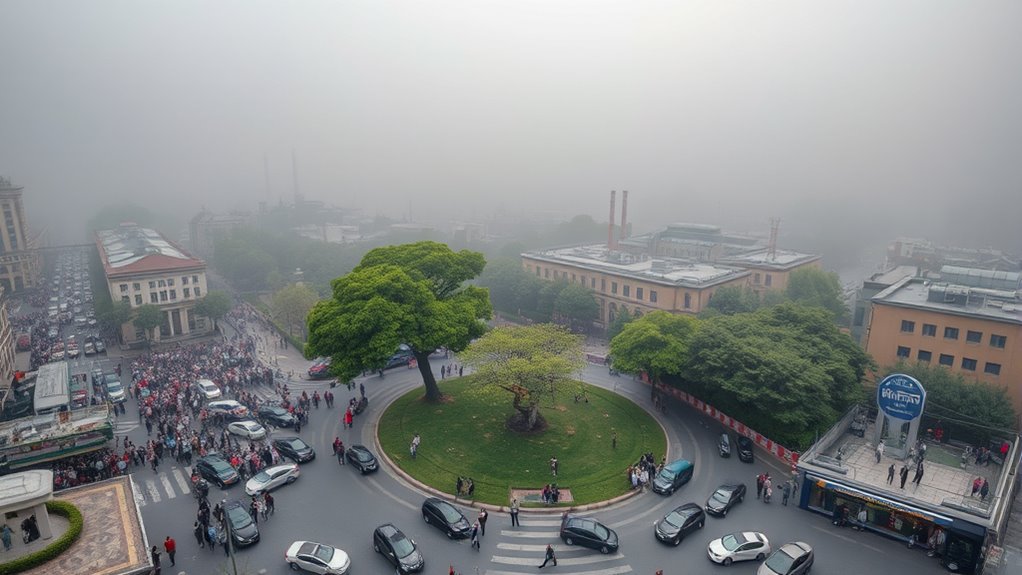
Have you ever wondered how climate change directly threatens your health? The truth is, it’s one of the biggest risks facing global well-being today. As climate change accelerates, its health impacts become more evident, affecting everything from infectious diseases to heat-related illnesses. You mightn’t realize it, but these changes are already influencing health systems worldwide and creating a health crisis that demands urgent attention.
Extreme weather events—like hurricanes, floods, and droughts—are becoming more frequent and severe, disrupting communities and straining healthcare resources. These events can lead to injuries, water contamination, and food shortages, all of which jeopardize your health and that of vulnerable populations, including children, the elderly, and low-income communities. Additionally, the increasing frequency of these events further exacerbates existing healthcare disparities, making it harder for some communities to access necessary care.
Severe weather events threaten health through injuries, contamination, and food insecurity, impacting vulnerable communities worldwide.
Infectious diseases are another major concern linked to climate change. Warmer temperatures and altered rainfall patterns expand the habitats of vectors like mosquitoes, increasing the spread of illnesses such as malaria, dengue, and Zika virus. As these diseases become more prevalent, your risk of exposure rises, especially if health systems aren’t prepared for these new challenges.
Climate change also worsens air pollution, which can trigger respiratory problems and cardiovascular issues, further burdening healthcare facilities. As health impacts grow, the capacity of existing health systems gets stretched thin, making it harder to provide care and respond effectively to emergencies. Incorporating AI-driven diagnostics into healthcare can improve early detection and treatment of climate-related health issues, helping to reduce the strain on hospitals.
Addressing these threats requires both mitigation and adaptation. Mitigation involves reducing greenhouse gas emissions, which are the root cause of climate change, by shifting to renewable energy sources, improving transportation, and adopting sustainable practices across sectors.
Adaptation, on the other hand, means adjusting our health systems to better handle climate-related risks—like strengthening disease surveillance, improving emergency response plans, and safeguarding vulnerable populations. These strategies are essential because nearly half the world’s population already faces health risks from climate change, and projections show that up to 132 million more people could fall into extreme poverty by 2030, with many suffering health consequences.
Furthermore, understanding the importance of high-quality projectors can help in educational and healthcare settings by enabling better visual presentations and training tools, which is crucial in disseminating information about climate change and health. Implementing innovative technologies like climate data analytics can also enhance predictive capabilities and preparedness efforts in the healthcare sector.
The healthcare sector itself plays a fundamental role, contributing around 5% of global greenhouse gas emissions. That’s why many medical organizations are now recognizing climate change as a public health emergency and advocating for sustainable practices within healthcare.

LEVOIT Air Purifiers for Bedroom Home Dorm, AHAM VERIFIED, 3-in-1 Filter Cleaner With Aroma Pad, Filters Smoke, Allergens, Pet Dander, Odor, Dust, Office, Desktop, Core Mini-P, White
𝗪𝗛𝗬 𝗖𝗛𝗢𝗢𝗦𝗘 𝗔𝗛𝗔𝗠 𝗩𝗘𝗥𝗜𝗙𝗜𝗗𝗘 𝗔𝗜𝗥 𝗣𝗨𝗥𝗜𝗙𝗜𝗘𝗥𝗦: AHAM (Association of Home Appliance Manufacturers) is an ANSI-accredited organization that sets…
As an affiliate, we earn on qualifying purchases.
As an affiliate, we earn on qualifying purchases.
Frequently Asked Questions
What Is the Intersection of Climate Change and Health?
You mightn’t realize it, but climate change directly impacts your health. It increases risks of heat-related illnesses, spreads new or existing diseases, and worsens air and water quality.
Extreme weather events like floods and wildfires can also threaten your safety and mental well-being. Vulnerable groups like children and the elderly face even greater risks.
Addressing climate change is vital to protect your health and guarantee a safer environment for everyone.
What Is the Link Between Climate Change and Health?
Think of climate change as a silent thief, slowly stealing your health. The link is clear: rising temperatures and extreme weather worsen respiratory issues, spread diseases, and cause injuries.
Vulnerable groups like kids and seniors suffer most. By understanding this connection, you can support actions that strengthen health systems and reduce climate impacts, helping protect your well-being and that of others from unfolding environmental threats.
What Is the Intersectionality of Climate Change?
You should understand that intersectionality of climate change refers to how various social identities like race, income, and geography intersect to influence individual and community vulnerabilities.
Climate impacts, such as heatwaves or pollution, hit marginalized groups hardest due to existing inequalities. Recognizing this helps you see that addressing climate change isn’t just environmental—it’s about tackling social injustices and ensuring equitable health outcomes for all.
What Is the Intersection of Health and Race?
You should understand that health and race intersect because marginalized racial and ethnic groups face disproportionate health risks due to systemic inequities.
These communities often live in areas with higher pollution, less green space, and limited healthcare access, which worsens health outcomes.
Climate-related events further amplify these disparities, leading to higher rates of respiratory issues, heat-related illnesses, and displacement, highlighting the need for climate justice to address these inequities.

Repel 100 Insect Repellent, 4 Ounces, With DEET, 10-Hour Protection Long-Lasting Insect Repellent Pump Spray Repels Mosquitoes, Ticks, Gnats, Biting Flies, Chiggers And Fleas
REPELS MOSQUITOES: Repels mosquitoes, including those that may transmit the Zika, West Nile, Dengue and Chikungunya viruses.
As an affiliate, we earn on qualifying purchases.
As an affiliate, we earn on qualifying purchases.
Conclusion
As you see, health and climate change are deeply connected. Did you know that climate-related events cause over 150,000 deaths each year? By taking action now, you can help protect both your health and the planet. Small changes, like reducing energy use or supporting green policies, add up. Remember, your choices matter—together, you can make a real difference in building a healthier, more sustainable future for everyone.

MFASCO Complete Emergency Response First Aid Kit Trauma Bag – 415 Piece Fully Stocked Supplies for Disaster Preparedness | for Business, Schools, Organizations, Groups, Home Safety (Reflective – Red)
COMPLETE EMERGENCY RESPONSE KIT – Prepare yourself for any unforeseen disaster with the MFASCO First Responder Kit. This…
As an affiliate, we earn on qualifying purchases.
As an affiliate, we earn on qualifying purchases.
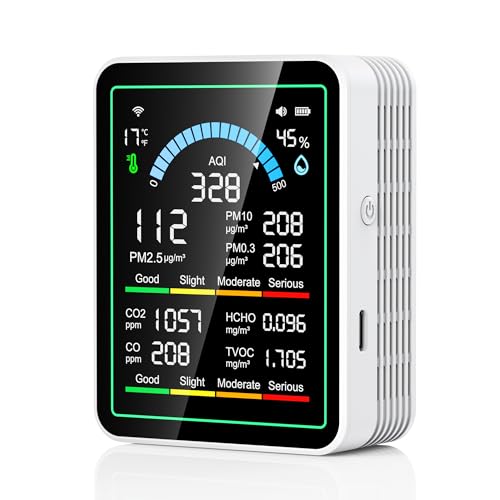
Air Quality Monitor Indoor, 10 in 1 Portable Smartair Quality Tester for CO2 | CO | TVOC | HCHO | Temp | AQI | PM0.3-1 Detection Suitable for Home, Cars, Plants, Pets and Hotels
【10-in-1 Smart Air Quality Monitor: Your All-Round Environmental Guardian】 This portable intelligent air quality tester delivers ultra-precise multi-gas…
As an affiliate, we earn on qualifying purchases.
As an affiliate, we earn on qualifying purchases.